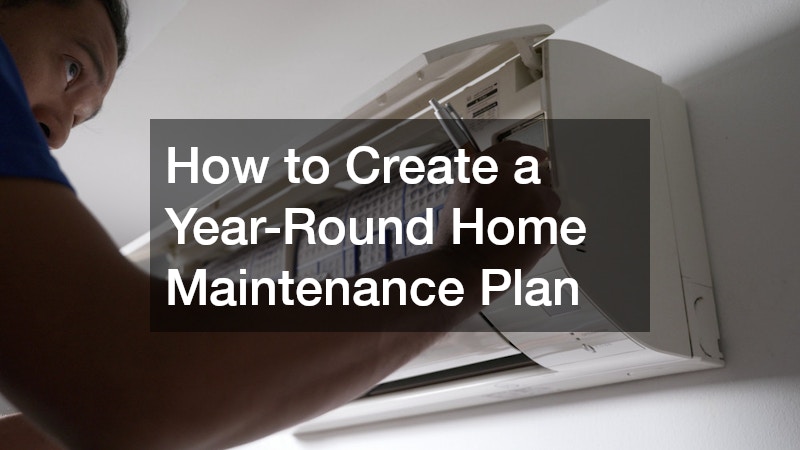
A good home maintenance plan should make life easier, not add another stressful chore list to an already full schedule. The mistake many homeowners make is trying to handle everything at once, usually after something breaks, leaks, smells strange, stops working, or becomes unsafe. A year-round plan works differently. It spreads small tasks across the calendar so the home gets steady attention before minor issues turn into expensive repairs.
Think of the home as a set of connected systems. The roof protects the walls. The gutters protect the foundation. Plumbing, heating, cooling, ventilation, outdoor areas, appliances, and safety features all affect one another in ways that are easy to overlook during day-to-day life. When one system is neglected, another often pays the price.
The best plan is not complicated. It should answer three simple questions: What needs to be checked? When should it be checked? Who should handle it? Some tasks are safe for homeowners to do themselves, such as replacing filters, testing alarms, checking for leaks, or cleaning visible debris. Others require professional tools, training, or safety precautions.
A practical year-round schedule also helps homeowners budget with fewer surprises. Instead of being caught off guard by a major repair in the middle of a busy season, planned maintenance creates room to prepare. That does not mean every problem can be avoided, but it does mean many problems can be caught earlier, handled more calmly, and repaired before they cause wider damage.
Inspect Indoor Systems Before They Become Costly Problems

Indoor comfort is one of the easiest things to take for granted until the house suddenly feels stuffy, dusty, too hot, or too cold. A smart annual plan starts with the systems that run quietly in the background. These are the systems homeowners rely on every day but may not think about until performance drops.
HVAC maintenance should be scheduled before peak heating and cooling seasons, not during the busiest week of summer or the first cold snap of winter. A spring checkup gives the cooling system time to be inspected before heavy use, while a fall checkup helps prepare heating components before colder weather arrives. Even simple habits, such as changing filters on schedule and keeping vents clear, can improve airflow and reduce strain.
Airflow problems often show up slowly. One room may feel warmer than the rest of the house. Dust may return quickly after cleaning. Allergy symptoms may seem worse indoors. In those cases, air duct cleaning may be worth discussing with a qualified professional, especially if there has been recent remodeling, pest activity, visible debris, or a long period without duct inspection.
A useful indoor system routine might include:
- Replace or clean filters every one to three months, depending on the home, pets, and dust levels.
- Walk through each room and confirm that vents are open, unblocked, and moving air properly.
- Listen for rattling, grinding, or uneven cycling.
- Check around indoor units for moisture, rust, or unusual odors.
- Schedule professional inspections before seasonal demand spikes.
Keeping notes can also help. If a bedroom always feels uncomfortable in August or a hallway vent barely moves air, write it down. Patterns are easier to fix when they are documented.
Prepare Heating Equipment Before Cold Weather Arrives
Heating problems rarely happen at a convenient time. They tend to appear on the first truly cold night, when the system has been sitting unused for months and suddenly has to work hard. That is why fall is the right time to give heating equipment attention.
Start with a simple test before cold weather settles in. Turn the heat on briefly and let the system run. Pay attention to how long it takes to warm the house, whether the airflow feels steady, and whether there are smells that linger beyond the first few minutes. A brief dusty smell can be normal at the start of the season, but burning odors, electrical smells, loud banging, or repeated shutdowns should not be ignored.
Furnace repair is best handled before the system fails completely. Common warning signs include short cycling, weak airflow, uneven heating, rising utility bills, yellow burner flames, or strange noises. Homeowners should never open sealed gas components or attempt risky repairs without proper training. A professional inspection can identify worn parts, ignition problems, blower issues, or ventilation concerns.
Heat pumps need seasonal care as well. Because they may provide both heating and cooling, they often work more months of the year than a traditional furnace. Heat pump cleaning can include clearing debris around the outdoor unit, making sure nearby plants are trimmed back, rinsing dirt from accessible exterior surfaces when appropriate, and having coils and components inspected professionally.
A homeowner might notice, for example, that the system runs constantly but the house still feels cool. That does not always mean the unit is too small. It could be a dirty coil, low refrigerant, poor airflow, thermostat trouble, or another service issue. Addressing those concerns early helps the system work with less strain during the coldest months.
Keep Plumbing Flowing With Preventive Care

Plumbing maintenance is often invisible until water appears where it does not belong. A slow drain, a damp cabinet, a loose toilet base, or a small stain on the ceiling can feel minor at first. Left alone, those signs can turn into damaged flooring, mold concerns, ruined drywall, or emergency repairs.
The easiest place to begin is with daily habits. Avoid pouring grease down the kitchen sink. Use drain screens in showers and tubs. Run plenty of water when using the garbage disposal. Keep wipes, paper towels, cotton swabs, and hygiene products out of toilets, even when packaging suggests they are flushable. These small choices reduce the need for drain cleaning and help protect the larger plumbing system.
A seasonal plumbing walk-through can be done in less than an hour. Look under sinks with a flashlight. Check supply lines behind toilets and washing machines. Look around the water heater for corrosion or moisture. Test shutoff valves gently so everyone knows where they are in an emergency. Step outside and make sure hose bibs are not dripping.
When water damage does happen, speed matters. Water cleanup should begin as soon as it is safe to do so, especially when moisture reaches flooring, walls, cabinets, or insulation. The first step is stopping the source, whether that means shutting off a fixture valve or the main water supply. After that, standing water should be removed, wet materials should be addressed, and hidden moisture should be evaluated.
The problem with water is that it travels. A small leak from an upstairs bathroom may show up as a stain in a downstairs ceiling. A dishwasher leak may spread under cabinets before anyone notices. A plan helps homeowners respond quickly instead of wasting time searching for supplies or wondering who to call.
Protect Outdoor Living Spaces Throughout the Year
Outdoor areas need steady care because weather changes everything. Sun, rain, wind, leaves, temperature swings, and heavy use all affect surfaces and equipment. Pools, patios, decks, outdoor kitchens, and drainage areas should be included in the annual plan, especially before and after the busiest seasons.
Pool care is a good example. Water may look clear and still be out of balance. Homeowners should know how to adjust swimming pool ph because improper balance can affect comfort, equipment, and surface materials. Water that is too acidic or too basic can irritate skin and eyes, reduce sanitizer effectiveness, and contribute to scaling or corrosion.
The schedule should change with the season. During heavy use, water may need to be tested more often. After storms, leaves and debris should be removed quickly. During cooler months, equipment may need less frequent attention, but it should not be ignored completely. A swimming pool maintenance service can help homeowners stay ahead of chemical balance, equipment checks, cleaning, and seasonal opening or closing.
A practical outdoor routine may feel less like a formal checklist and more like a rhythm. In spring, clear debris and inspect equipment. In summer, monitor use, water condition, and safety features. In fall, remove leaves before they stain surfaces or clog systems. In winter, protect exposed components and check covers after storms.
The goal is not perfection. It is consistency. Outdoor spaces last longer when they are not left unattended for months and then expected to perform perfectly the moment guests arrive.
Maintain Exterior Features Before They Fail

Some exterior features carry serious safety risks when neglected. Fireplaces, chimneys, and garage doors are familiar parts of many homes, but both involve weight, movement, heat, or ventilation. That makes them poor candidates for guesswork.
A chimney should be checked before the fireplace is used regularly. Creosote buildup, animal nests, cracked liners, moisture damage, and blocked flues can create fire or carbon monoxide hazards. Scheduling a chimney sweep once a year is a common preventive step, especially for homes that use wood-burning fireplaces. Even gas fireplaces may need inspection for venting, moisture, and component safety.
Garage doors deserve similar respect. They are heavy, used often, and supported by parts that are under tension. If the door jerks, falls too quickly, opens unevenly, or makes sharp snapping sounds, the problem should be addressed promptly. Garage door spring replacement should be handled by trained professionals because springs can cause serious injury if released incorrectly.
Homeowners can still do basic visual checks. Stand inside the garage with the door closed and look at the springs, cables, rollers, and tracks. Do not touch or adjust parts under tension. Instead, look for gaps, fraying, rust, loose brackets, or uneven movement. Test the auto-reverse feature with the manufacturer’s recommended method. Keep tracks free of obvious debris, but avoid forcing the door if something feels wrong.
These are the kinds of maintenance tasks that protect both the home and the people living in it. They may not feel urgent when everything appears to work, but waiting for failure can be dangerous and expensive.
Build a Calendar You Can Actually Follow
A maintenance plan only works if it fits the homeowner’s real schedule. A perfect checklist that never gets used is less helpful than a simple calendar that gets followed most of the time. Start by dividing the year into manageable sections: monthly, seasonal, and annual tasks.
Monthly tasks should be quick. Test smoke and carbon monoxide alarms. Look for leaks under sinks. Check filters. Walk around the outside of the home after storms. These small habits keep homeowners familiar with the normal condition of the house, which makes changes easier to notice.
Seasonal tasks require a little more time. Spring is useful for checking exterior drainage, outdoor equipment, cooling systems, screens, decks, and gutters. Summer is a good time to monitor irrigation, pools, pests, attic heat, and outdoor wear. Fall should focus on heating preparation, roof checks, chimney safety, leaf removal, and weatherproofing. Winter is the time to watch for frozen pipes, interior moisture, drafts, and overloaded systems.
Annual tasks should be scheduled before they become urgent. These may include professional inspections, safety checks, deep cleaning, and major system service. Instead of placing every annual task in the same month, spread them out. A homeowner might schedule heating service in early fall, cooling service in spring, roof inspection after storm season, and plumbing checks before holiday guests arrive.
Records matter more than many people realize. Keep receipts, inspection notes, warranties, product manuals, and photos in one folder. A digital folder works well, but a binder is fine too. Good records help with warranty claims, resale questions, insurance issues, and future budgeting. They also prevent the common problem of forgetting when something was last serviced.
A simple plan may include:
- One recurring reminder for monthly checks
- Four seasonal reminders for bigger tasks
- A list of preferred professionals and emergency contacts
- Photos of shutoff valves, electrical panels, and equipment labels
- A yearly budget category for maintenance and unexpected repairs
The best calendar is not the one with the most tasks. It is the one that helps homeowners take action before stress takes over.
Keep the Plan Flexible as the Home Changes’

A year-round home maintenance plan should evolve. A new roof, aging water heater, added pool, remodeled bathroom, new pets, or changing weather patterns can all affect what needs attention. Homes are not static, and maintenance should not be either.
Once a year, review the plan. Look at what worked, what was ignored, and what caused problems. If the same drain clogged twice, move plumbing checks higher on the priority list. If utility bills rose unexpectedly, pay closer attention to insulation, airflow, and mechanical systems. If outdoor spaces were difficult to manage, simplify the schedule or bring in professional help sooner.
This review does not need to be formal. It can happen while planning the household budget or preparing for a new season. The point is to treat maintenance as an ongoing habit rather than a one-time project.
Protect the Home With Consistent Care
A year-round maintenance plan gives homeowners a clearer way to care for the place they live. Instead of waiting for a breakdown, leak, clog, or safety issue, the home gets steady attention throughout the year. That steady attention can reduce stress, extend the life of major systems, and make unexpected problems easier to handle.
The most effective plan is practical, not perfect. It should include simple monthly checks, seasonal priorities, professional inspections when needed, and records that make future decisions easier. Over time, those habits create confidence. Homeowners know what has been checked, what needs attention soon, and what can wait.
Caring for a home is never finished, but it can become more manageable. With a clear schedule and a realistic approach, maintenance becomes less about emergencies and more about protecting comfort, safety, value, and peace of mind year after year.