Maintaining the exterior of a home is one of the most significant responsibilities a property owner faces. The outer envelope of your house and the surrounding land do far more than establish curb appeal; they protect your structural foundation, manage water diversion, preserve property value, and ensure daily operational safety. When tasks begin to pile up, homeowners often struggle to decide where to allocate their time and financial resources. It is easy to get distracted by highly visible cosmetic upgrades while critical, hidden systems slowly degrade.
Structural Integrity and Shielding

Diagnosing and Repairing Water Intrusion Points
The absolute highest priority for any property is maintaining the barrier that keeps weather out of the living space. Water is the single most destructive force a house faces, capable of rotting structural timber, breeding toxic mold, and compromising insulation within a matter of weeks. Homeowners should inspect their upper boundaries at least twice a year, looking specifically for cracked flashing, missing shingles, or granules accumulating in the gutters. Ignoring a minor leak today can result in thousands of dollars of internal drywall and structural frame damage tomorrow.
When the protective barrier compromises, hiring a professional roofing service is the most critical step you can take to secure the building. Professional technicians can perform thorough inspections, identify structural weaknesses that are invisible from the ground, and deploy high-quality materials to seal the house. Addressing these vulnerabilities immediately ensures that everything beneath the upper structure remains dry and structurally sound for decades to come.
-
Clear all organic debris from valleys and gutters every autumn to prevent ice dams.
-
Check chimney flashing and rubber pipe boots annually for cracking or separation.
-
Inspect the attic space immediately following heavy downpours to catch hidden leaks early.
Restoring Operational Ground Openings
The large entry points of a home represent significant structural vulnerabilities if they fail to function correctly. The heaviest moving component attached to a home is typically the portal to the vehicle storage area, which relies on high-tension springs, tracks, and cables to operate safely. When this mechanism begins to stick, make unusual grinding noises, or hang unevenly, it poses an immediate safety hazard to anyone walking underneath it and compromises the thermal efficiency of the entire household.
Engaging a specialist for garage door repair should happen as soon as mechanical resistance is detected. Attempting to fix high-tension springs without proper training can result in severe personal injury, making this a task strictly for certified technicians. A properly aligned and balanced entry system prevents accidental closures, deters potential intruders, and seals the garage against extreme temperature fluctuations and pest infestations.
-
Lubricate the metal rollers, hinges, and tracks every six months with silicone spray.
-
Test the auto-reverse safety sensors monthly by placing an object in the closing path.
-
Wipe down the rubber weather stripping regularly to maintain a tight seal against the floor.
Core Utilities and Ground Stability
Managing Wastewater and Underground Systems
Beneath the surface of your yard sits the infrastructure responsible for managing household waste safely and hygienically. For homes not connected to a municipal sewer line, managing the underground holding tank is a critical task that directly impacts public health and soil safety. Failing to maintain this system leads to solid waste overflowing into the drainfield, which clogs the soil, kills local vegetation, and forces raw sewage backward into household plumbing fixtures.
Preventing a catastrophic backup requires scheduling regular septic pumping every three to five years, depending on the size of your household. This routine maintenance removes accumulated solids before they can migrate into the secondary filtration lines, saving homeowners from the exorbitant costs of replacing an entire drainage network. Furthermore, keeping this utility functional protects the surrounding earth and groundwater from dangerous bacterial contamination.
-
Map and mark the exact location of your tank access lids for quick emergency access.
-
Avoid planting deep-rooted trees or driving heavy vehicles over the absorption field.
-
Keep household chemicals, grease, and non-biodegradable items out of the drainage lines.
Stabilizing Slopes and Preventing Erosion
Soil movement can slowly undermine the foundations of outbuildings, driveways, and the primary home structure if grades are left unmanaged. Hillsides and earthen embankments naturally shift under the influence of heavy rainfall and gravity, pulling away from paths and putting pressure against structural walls. Managing these shifts requires physical interventions that can redirect water flow and hold massive amounts of earth firmly in place.
Constructing sturdy retaining walls offers the structural resistance necessary to halt soil erosion on sloped properties. These architectural elements must be engineered with proper gravel backfill and weep holes to ensure that water pressure does not build up behind the barrier and cause it to buckle. When built correctly, these structures transform unusable, dangerous slopes into stable, terraced plots that protect the lower elevations of the property.
-
Install a perforated drain pipe behind the base layer to redirect hydrostatic pressure safely.
-
Stack modular blocks with a slight backward lean into the hillside for enhanced resistance.
-
Plant deep-rooted ground cover vegetation directly above the structure to help bind the soil.
Boundary Control and Structural Enclosures
Securing Perimeters and Property Lines
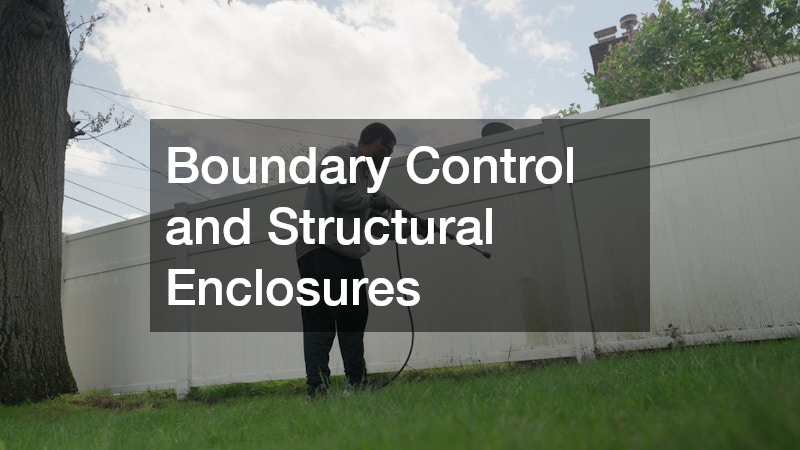
Establishing clear boundaries around your land is essential for security, privacy, and containing pets or children. Over time, environmental exposure causes perimeter posts to rot, panels to warp, and fasteners to loosen, creating gaps that compromise the security of the entire yard. Homeowners must routinely check the stability of perimeter posts, especially after severe windstorms or periods of high soil moisture.
Investing time into repairing or replacing wood fences helps restore the structural boundary of your property while maintaining classic visual harmony with the neighborhood. Homeowners should focus on treating the timber with water-resistant sealants and ensuring that all subterranean posts are anchored in deep concrete footings to resist wind leverage. A sturdy, well-maintained perimeter barrier acts as a reliable deterrent against trespassing and provides peace of mind for daily outdoor activities.
-
Keep soil, damp leaves, and heavy mulch piles away from the bottom rails to prevent rot.
-
Replace rusted iron hinges with galvanized steel fasteners to eliminate structural sag.
-
Apply a fresh coat of UV-inhibiting stain every two to three years to protect the wood grain.
Sourcing Durable Framework Products
When building or restoring outdoor structures, selecting the right raw materials determines the longevity of the entire project. Using low-grade materials for posts, gates, or garden borders ensures that you will be repeating the same repair work within a few years due to accelerated weathering. High-quality foundational materials must be gathered beforehand to guarantee that any boundary update can withstand heavy moisture and shifting ground conditions.
Finding a reliable supplier for hardscape supplies is a necessary step before launching into structural perimeter upgrades. Utilizing commercial-grade stone, heavy-duty gravel, and treated structural timbers ensures that your outdoor construction projects remain rigid and functional over the lifespan of the home. Securing these robust building blocks guarantees that your physical labor yields permanent, durable results rather than temporary fixes.
-
Use a compacted sub-base of crushed stone instead of placing items directly on raw dirt.
-
Lay down professional-grade geotextile fabric beneath gravel paths to inhibit weed growth.
-
Select interlocking blocks for borders to ensure the pieces do not shift during winter frosts.
Functional Land Management and Machinery
Managing Extensive Turf and Overgrowth
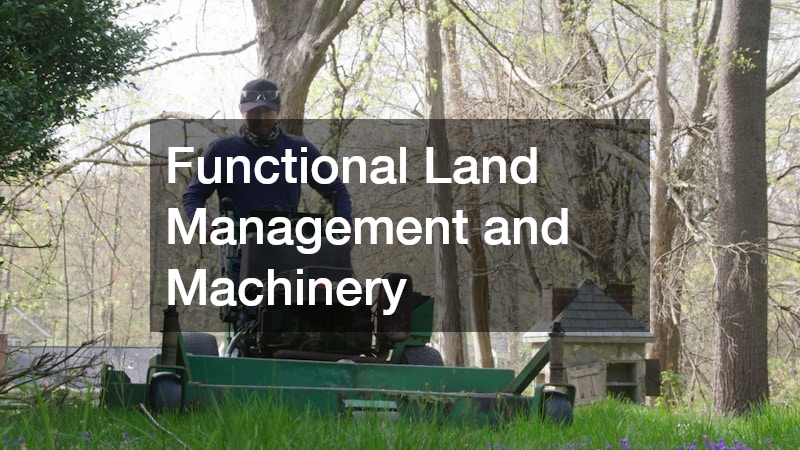
A sprawling lawn requires consistent mechanical maintenance to prevent it from turning into a chaotic thicket of weeds and brush. When dealing with acreage or expansive lawns, traditional push equipment is completely inadequate, leading to physical exhaustion and uneven cutting heights that stress the grass. Keeping the turf neatly trimmed is not merely an aesthetic choice; it discourages tick populations, mice, and other pests from nesting near the home foundation.
Utilizing a heavy-duty riding lawn mower allows homeowners to manage large expanses of grass efficiently and uniformly. Regular maintenance of this machinery, such as sharpening the cutting blades and replacing the oil, ensures clean cuts that protect the grass blades from tearing and succumbing to fungal diseases. Efficient mowing practices keep the open areas of your property looking organized while minimizing the manual labor required to manage the land.
-
Clean the underside of the cutting deck after each use to prevent damp grass accumulation.
-
Adjust the cutting height higher during hot, dry summer months to protect the root systems.
-
Change the fuel filter and spark plugs annually to ensure reliable engine ignition.
Outsourcing Advanced Landscape Cultivation
Some outdoor tasks exceed the physical capabilities or time constraints of the average property owner, requiring specialized machinery and deep horticultural knowledge. Complex tree trimming, large-scale grading, and the eradication of invasive plant species demand systematic intervention to avoid damaging the existing ecosystem. When vegetation grows out of control, it can choke out desirable plants and create fire hazards near residential structures.
Enlisting a professional landscaping service can help resolve massive overgrowth issues and optimize the overall health of your soil and plant life. These experts possess the heavy machinery needed to clear thick brush, grind stubborn stumps, and introduce native plant species that thrive in your specific climate zone. Delegating these labor-intensive projects to professionals ensures the work is executed safely without risking damage to underground utility lines.
-
Consult with certified arborists to thin out heavy tree crowns before severe storm seasons arrive.
-
Schedule mechanical core aeration in the early fall to alleviate deep soil compaction.
-
Employ expert grading interventions to fix low spots where surface water tends to pool.
High-Level Finishing and Leisure Spaces
Acquiring Top-Tier Ground Covers
Once the structural boundaries and major vegetation are stabilized, the focus shifts to optimizing the topsoil layer for long-term health and aesthetics. Unprotected dirt quickly dries out under the summer sun, blows away in high winds, and provides an open invitation for opportunistic weeds to take root. Introducing clean, protective layers over bare earth preserves moisture and insulates the root systems of your desirable shrubs and trees.
Acquiring premium landscaping materials like dark bark mulch, river rocks, and organic compost helps lock nutrients into the ground while creating clean visual lines. Applying a thick layer of organic matter to garden beds suppresses weed germination, reducing the need for chemical herbicides and manual weeding later in the season. These final topsoil enhancements tie different areas of the yard together into a cohesive, healthy ecosystem.
-
Maintain a strict three-inch depth for mulch beds to optimize soil moisture retention.
-
Incorporate gravel borders around structures to prevent mud from splashing against walls.
-
Test soil pH levels before spreading compost to ensure compatibility with your plant selection.
Developing Permanent Solid Footprints
The lowest priority on the structural maintenance scale involves creating dedicated spaces for outdoor relaxation, dining, and social gatherings. While these projects dramatically improve your lifestyle, they should only be pursued after the home is fully protected from leaks, structural shifting, and utility failures. A solid, level outdoor lounge space provides a durable floor for furniture and heavy cooking equipment, expanding the usable square footage of the home.
Pouring custom concrete patios creates an enduring, low-maintenance foundation for outdoor entertainment that resists rot and pest infestation. To prevent cracking over time, these slabs must be poured over a well-compacted gravel base and include strategically placed expansion joints to accommodate seasonal temperature changes. Once these durable surfaces are installed, they offer a clean, permanent space to enjoy the property without tracking mud and debris back into the house.
-
Apply a high-quality acrylic sealer every three years to shield the surface from oil stains.
-
Ensure the surrounding soil slopes gently away from the slab edges to avoid water pooling.
-
Incorporate a broom-finish texture during the pour to prevent the surface from becoming slick.
Successfully maintaining a home exterior requires a disciplined commitment to addressing structural vulnerabilities before investing in cosmetic upgrades. By systematically tackling roof leaks, garage door malfunctions, and utility issues first, you establish a secure foundation that protects all subsequent investments. As you move down the priority list toward boundary management, land cultivation, and leisure spaces, each completed project builds upon the safety and stability of the last. Taking a methodical approach to these exterior updates ensures that your hard-earned resources are spent wisely, ultimately preserving the structural health, safety, and monetary value of your property for generations to come.