Closing on a new house is an exciting milestone, but it also marks the beginning of your responsibilities as a homeowner. Among the various structural components you inherit, the roof is arguably the most critical protective barrier shielding your living space, personal belongings, and property investment from the elements. While general home inspectors conduct preliminary checks during the escrow process, their evaluations are often limited to surface-level visual observations from the ground or ladder edge. Once the keys are in your hand, taking a deeper, proactive approach to evaluating and addressing your roof’s actual condition is essential for preventing hidden water damage, mold growth, and premature system failure.
Navigating post-closing property care requires moving systematically from initial assessment to active maintenance. Uncovering aging shingles, compromised flashing, or structural attic issues immediately after moving in allows you to prioritize necessary fixes before seasonal weather sets in. By establishing a clear plan of action, you can address minor vulnerabilities cost-effectively while budgeting for long-term improvements. Understanding how to evaluate damage, source qualified trade specialists, and manage structural care empowers you to protect your home’s equity with confidence.
Ultimately, taking immediate ownership of your roof’s health sets the foundation for stress-free homeownership. Whether you are dealing with minor cosmetic touch-ups or addressing neglected maintenance left behind by previous owners, taking prompt action safeguards your living environment. A well-maintained roof ensures energy efficiency, keeps indoor living spaces dry, and provides long-term peace of mind for years to come.
Evaluating the Post-Purchase Structural Baseline
Once you have settled into your new property, conducting a dedicated, thorough assessment of your roof should be high on your priority list. Standard home inspection reports typically highlight obvious defects, but subtle issues—such as minor shingle degradation, inadequate attic ventilation, or slow water intrusion behind fascia boards—frequently go unnoticed during brief buyer walk-throughs.
Scheduling a detailed, hands-on inspection with verified local roofers gives you a precise, unbiased breakdown of your roof’s remaining operational lifespan. Experienced neighborhood trade professionals understand specific regional weather stresses, common local architectural styles, and geographic vulnerabilities that national inspection handbooks might overlook.
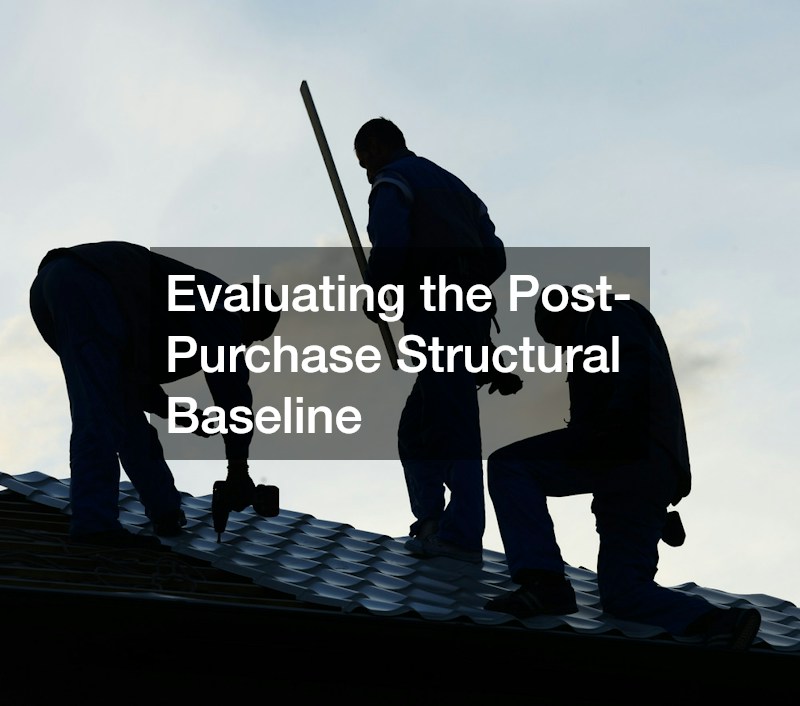
Having an expert physically walk the roof deck, inspect valleys, and evaluate pipe boots allows you to establish a true baseline for your property. This initial diagnostic step ensures that you catch hidden vulnerabilities early, saving you from experiencing catastrophic water leaks during your first major rain or snowstorm as a homeowner.
Prioritizing Immediate Post-Closing Restorations
Discovering that your newly purchased home requires immediate exterior work can feel overwhelming, especially after navigating closing costs and moving expenses. However, addressing minor surface deficiencies immediately prevents localized moisture intrusion from decaying structural plywood decking and attic insulation.
Prioritizing essential roof repairs early in your homeownership journey protects your broader financial investment and stops minor wear from turning into full-system emergencies. Fixing lifted shingles, re-sealing cracked chimney flashings, and clearing clogged internal drainage pathways restores the weather barrier without requiring a complete, high-cost overhaul.
Allocating a small portion of your post-closing maintenance budget toward immediate restoration ensures your living space remains dry and secure. Taking swift action on flagged issues also prevents internal drywall staining, ceiling sagging, and potential toxic mold cultivation within wall cavities.
Choosing Qualified Project Leadership
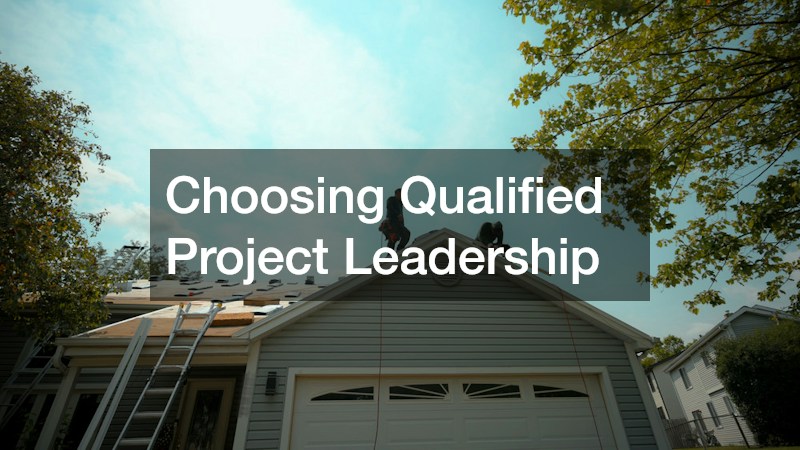
When managing moderate to extensive exterior projects, selecting the right professional lead is critical for ensuring technical compliance, site safety, and long-term warranty validity. A major restoration project involves permit navigation, material sourcing, safety staging, and crew coordination.
Partnering with a licensed roofing contractor ensures that your project is managed strictly according to local building codes, regional wind-resistance requirements, and manufacturer specifications. Qualified project leaders oversee the technical execution, manage material logistics, and ensure that all work passes municipal inspections seamlessly.
A professional project manager also acts as your advocate, providing transparent line-item estimates and explaining the technical scope of work in plain language. Their oversight guarantees that critical details—such as ice and water shield installation and proper drip edge placement—are executed without taking shortcuts.
Evaluating Technical On-Site Execution
While project management organizes the logistics, the ultimate longevity of your roof depends entirely on the hands-on skill and technical precision of the trade crew executing the physical work on the slope. Incorrect nail placement, misaligned starter courses, or improper sealing around vent pipes can compromise even the highest-quality materials.
Relying on experienced roofers guarantees that every shingle, tile, or metal panel is installed with exact precision and aligned according to strict manufacturer tolerances. Skilled tradespeople possess the practical knowledge required to navigate complex roof geometries, such as dormers, valleys, and skylight curbs, without creating hidden leak paths.
Precision workmanship ensures that high-wind warranties remain fully intact and that your roof performs at peak efficiency under severe weather stress. Dedicated trade professionals take pride in delivering clean, watertight finishes that elevate your property’s overall curb appeal and structural defense.

Vetting Business Credentials and Insurance
Entrusting your newly acquired home to a professional business requires vetting their operational background, insurance coverage, and customer track record. Working with unverified or uninsured entities exposes property owners to severe financial risks, including liability for job-site injuries or damage caused by improper workmanship.
Partnering with an established roofing company ensures that your property is fully protected by general liability insurance and comprehensive worker’s compensation coverage. Reputable businesses maintain permanent physical offices, offer written workmanship guarantees, and possess a verifiable history of serving the local community.
Furthermore, certified businesses maintain strong relationships with major material manufacturers, allowing them to offer extended system warranties that uncertified handymen cannot provide. Verifying business credentials upfront provides invaluable peace of mind as you invest in your property’s exterior.
Addressing Targeted Surface and Leaking Issues
When a post-purchase inspection reveals specific, localized water intrusion, hiring a specialist focused on diagnostic restoration is essential. Finding the precise entry point of a roof leak can be challenging, as water frequently travels along internal rafters before dripping through ceiling drywall far from the original surface rupture.
Hiring a specialized roof repair contractor allows you to isolate tricky leaks, repair flashing around chimneys, and replace damaged underlayment with surgical precision. These targeted specialists focus on preserving as much of your existing roof as possible, delivering durable, cost-effective fixes without forcing an unnecessary full-system replacement.
A dedicated repair expert utilizes diagnostic tools, such as infrared thermal imaging and moisture meters, to track hidden water pathways behind walls and inside attic spaces. Resolving specific leaks quickly restores your home’s thermal efficiency and protects interior finishes from ongoing water damage.

Comparing Market Proposals and Estimates
Responsible property management involves gathering multiple estimates to understand regional labor rates, material options, and proposed project scopes. Obtaining line-item quotes allows you to compare material grades, warranty terms, and project timelines across different providers. Taking the time to collect several professional proposals gives you a clear baseline of what a realistic, high-quality restoration should cost in your local market. Without this comparative research, new homeowners risk either overpaying for basic services or falling for lowball offers that compromise on vital structural protection.
Evaluating proposals from several reputable roofing companies helps you identify fair market pricing while avoiding suspiciously low bids that often indicate cut corners, uninsured labor, or cheap materials. Reviewing detailed contracts ensures that essential items—such as synthetic underlayment, new flashing, and job-site cleanup—are explicitly included. Examining these proposals side-by-side reveals whether a contractor plans to reuse old, worn flashing or replace every critical moisture barrier with fresh, high-grade materials. Identifying these line-item differences beforehand protects you from unexpected mid-project add-ons and ensures you receive full value for your investment.
Comparing market options also gives you insight into different communication styles and customer service standards. How promptly a business responds to your estimate request, how thoroughly they answer technical questions, and how clearly they outline project milestones offer a preview of your future working relationship.
Selecting Specialized Contracting Partners
Complex residential roofs featuring steep pitches, historical slate, custom tile, or intricate valley networks require specialized contracting expertise beyond basic shingle installation. Working with contractors who routinely handle complex architectural layouts ensures your home receives tailored care.
Gathering estimates from established roofing contractors allows you to select a team with specific expertise in your home’s unique architectural style and material requirements. Specialized contractors understand the nuances of historical restoration, custom metal fabrication, and advanced ventilation design.
Selecting a highly experienced contractor ensures that complex structural integrations—such as built-in copper gutters, solar attic fans, or custom skylights—are completed without compromising the primary water barrier. Their specialized expertise protects both the aesthetic charm and structural integrity of your property.
Managing Structural Framing and Support Systems
A roof’s longevity relies not only on its surface shingles, but also on the strength of the structural framing supporting the entire assembly. Older homes or properties that have suffered historical water intrusion may exhibit sagging rooflines, cracked rafters, or compromised truss assemblies hidden within the attic space. When these load-bearing components begin to fail, the stress transfers directly to exterior walls, ceiling joists, and interior door frames, leading to costly structural issues throughout the entire house. Ignoring subtle signs of framing stress during a post-purchase renovation can severely compromise your safety and lead to catastrophic roof failure under severe weather conditions.
Utilizing professional roof truss services ensures that underlying framing components are structurally sound, properly braced, and capable of supporting heavy surface loads like tile, snow, or wet ice. Structural specialists can reinforce bowed trusses, sister damaged rafters, and restore the correct load distribution across your home’s foundation walls. These trade experts utilize specialized engineering calculations to evaluate the precise weight capacities needed for your specific roof design and regional climate demands.
Addressing underlying structural framing issues before installing new surface materials prevents future sagging and uneven shingle wear. Laying expensive new roofing over a weakened, uneven wooden frame inevitably causes surface materials to flex, crack, and pull away from fasteners prematurely. Ensuring your roof deck rests on an unyielding, engineered support structure guarantees long-term stability and protects your home’s architectural profile.
Building Long-Term Local Maintenance Partnerships
Completing initial post-purchase repairs is just the first step in a lifelong home preservation strategy. Roofs require periodic inspections, gutter cleanings, and post-storm evaluations to maintain their protective integrity over decades of seasonal exposure.
Establishing an ongoing relationship with trusted local roofers gives you a dependable point of contact for future routine checks, minor trim adjustments, and emergency storm responses. Proximity allows local specialists to respond rapidly when severe weather events threaten your neighborhood.
Maintaining a continuous partnership with local trade experts ensures your roof receives consistent, proactive care throughout your tenure as a homeowner. Regular professional attention maximizes your roof’s service life, preserves your manufacturer warranties, and protects your property investment for the long haul.
Managing your roof’s condition immediately after closing is one of the smartest investments you can make as a new homeowner. A successful post-purchase management plan begins with an immediate hands-on inspection, moving beyond the basic general home inspection by bringing in a specialized trade professional to walk the roof and check attic spaces thoroughly. Once the baseline assessment is complete, you must prioritize immediate moisture barriers by addressing compromised flashing, missing shingles, and minor leaks right away to prevent costly secondary water damage to interior ceilings and framing.
Protecting your investment also requires taking time to verify business credentials, ensuring that any trade team you hire carries full general liability insurance, worker’s compensation, and valid local licensing. Additionally, it is critical to address structural framing early by verifying that attic trusses and rafters are structurally sound before laying down heavy new surface materials or making major exterior alterations. Finally, long-term preservation relies on establishing a preventive maintenance schedule with annual inspection routines set up alongside a trusted local professional to catch seasonal wear and tear before it escalates into a major emergency.
By taking this systematic approach—from initial diagnostic inspections to targeted repairs and ongoing structural care—you protect your living environment, enhance energy efficiency, and safeguard your home’s long-term market value. Taking proactive control of your property’s exterior ensures that your new house remains a safe, comfortable, and secure home for years to come.