
A private swimming pool and integrated spa system represent the pinnacle of residential outdoor living, combining personal wellness, social leisure, and real estate equity within a single landscaped environment. When planned and executed with care, these aquatic features anchor the backyard as an architectural extension of the interior living space.Morning lap swimming, midday family gatherings, and evening relaxation by the water become natural parts of the daily routine. Beyond personal enjoyment, an impeccably constructed and well-maintained aquatic complex signals structural quality and diligent property stewardship, which commands premium valuations from prospective buyers when the home enters the real estate market.
However, owning an advanced residential aquatic installation introduces unique engineering and material science challenges that standard interior home improvements do not face. A swimming pool is a massive, water-filled concrete or composite structure situated directly within changing sub-surface soil conditions. It interacts continuously with groundwater levels, ground shifts, temperature extremes, intense ultraviolet radiation, and sanitizing chemicals. When exterior coping stones loosen, plaster surfaces etch, or supplementary spa plumbing lines are improperly spliced into existing filtration manifolds, the results can be catastrophic. Concealed pipe fractures, delaminating plaster, sinking pool decks, and uncontrolled water loss through settling structures can cost tens of thousands of dollars to remediate if systemic wear is ignored.
Preserving and elevating these valuable outdoor assets requires a structured, knowledgeable approach to surface management, masonry preservation, and trade collaboration. Success hinges on understanding how various structural components interact, from the molecular adhesion of pool plaster and the porosity of aggregate decking to the hydraulic volume demands of hydrotherapy jets. Homeowners who align themselves with qualified trade professionals across excavation, stonework, and aquatic engineering protect their real estate investment against premature structural failure. Taking a methodical, detail-oriented approach to custom pool surfaces and spa additions ensures that outdoor amenities remain structurally sound, visually stunning, and operationally efficient for decades of reliable household enjoyment.

Coordinating Multi-Trade Professionals for Structural Overhauls
A major swimming pool renovation or structural overhaul involves far more than simply draining water and applying fresh paint. Residential pools are complex civil structures that combine hydraulic engineering, reinforced concrete, high-voltage electrical circuits, and gas-fired heating systems within an unforgiving outdoor setting. When structural modifications or complex resurfacing tasks are executed without proper trade oversight, critical issues such as soil settling, plumbing pressure drops, and electrical bonding failures can quietly compromise the entire installation.
Securing certified, licensed pool contractors ensures that any major structural reconfiguration is handled in compliance with regional building codes and strict safety standards. Experienced professionals understand the structural physics of aquatic vessels, calculating water volume displacement, soil lateral loads, and hydrostatic ground pressures before initiating demolition or core drilling. They hold the requisite commercial insurance policies, manage municipal permitting, and coordinate specialized sub-trades such as steelworkers, pipe fitters, and electricians so that every phase occurs in logical, uninterrupted sequence.
Enhancing Perimeter Borders with Specialized Architectural Stonework
The coping stones and perimeter walls that border a swimming pool establish the visual boundary of the water while serving an indispensable structural function. This perimeter transition zone seals the expansion joint between the pool shell and the surrounding patio, preventing water from penetrating the underlying soil where it could cause frost heave or ground erosion. Over years of exposure to splashing chlorinated water, winter freezing cycles, and shifting ground, perimeter stones can become loose, mortar joints can crumble, and decorative retaining walls can develop structural fissures.
Contracting a specialized masonry service allows homeowners to restore or upgrade these critical perimeter elements using durable natural stones such as travertine, granite, flagstone, or precast bullnose concrete. Skilled stone masons carefully remove deteriorating mortar beds, grind away failed joint adhesives, and set heavy coping stones upon level, flexible bedding compounds that absorb subtle deck movements. They also construct decorative raised bond beams, natural stone waterfalls, and dry-stacked retaining walls that seamlessly integrate elevation changes within the landscape.

Applying Seamless Aggregate Overlays for Non-Slip Walkway Surfaces
Traditional concrete pool decks often become major maintenance liabilities over time. Standard brushed concrete cracks during seasonal freeze-thaw cycles, absorbs oil and leaf stains, and can become scorchingly hot and dangerously slippery under summer sun and splashing water. Laying individual pavers can introduce thousands of sand-filled joints where weeds take root and ants excavate sub-base materials, creating uneven surfaces and trip hazards for barefoot swimmers.
Applying modern resin bound stones over existing concrete sub-bases offers an innovative, high-performance solution for residential pool surrounds. This surfacing technique blends natural quartz or marble aggregates with clear, UV-stable polyurethane resin, which is then hand-troweled into a completely smooth, continuous, and permeable surface layer. The porous structure allows splashed water to drain naturally through the surface into the substrate rather than forming standing puddles, providing exceptional slip resistance without sacrificing barefoot comfort.
Establishing Structured Mechanical Maintenance and System Diagnostics
The mechanical heart of any swimming pool comprises an interconnected array of circulation pumps, filtration tanks, sanitizing cells, and automated valves. Operating behind the scenes on a concrete pad, these components work under continuous hydraulic pressure to keep water clean, clear, and balanced. Neglecting routine maintenance—such as allowing filter pressures to climb unchecked, running pumps with worn bearings, or ignoring small plumbing leaks—forces equipment to work harder, consuming excessive electricity and causing premature system failure.
Scheduling regular pool services with certified aquatic technicians ensures that the entire circulation and filtration network operates at peak hydraulic efficiency throughout the swimming season. Professional technicians backwash or disassemble cartridge filters, test automated valve actuators, calibrate chemical feeder probes, and inspect pump seals to prevent destructive leaks. Seasonal service protocols also include preparations such as properly clearing underground plumbing lines with compressed air before freezing winter temperatures arrive. Certified technicians identify subtle signs of mechanical wear early, swapping out failing components before they damage expensive heaters or automation panels. Consistent, professional maintenance keeps pool equipment operating quietly, cleanly, and reliably through every season.

Designing Architectural Water Features with Specialized Designers
Standard rectangular pools often feel detached from the surrounding landscape, functioning purely as utilitarian swimming basins rather than cohesive elements of the home’s architecture. Modern landscape architecture seeks to blur the line between indoor living areas and the natural outdoors by incorporating dramatic visual focal points, dynamic soundscapes, and tailored water transitions that complement the residence’s geometry.
Collaborating with custom pool contractors allows homeowners to design and integrate bespoke architectural features such as negative-edge infinity overflows, submerged sun ledges with integrated umbrella anchors, sheer-descent waterfalls, and perimeter-overflow mirrors. Specialized designers use three-dimensional modeling software to show how sunlight reflects off custom water features throughout the day, planning elevation drops and sightlines from inside the house. They engineer independent plumbing circuits and variable-speed pumps dedicated to waterfalls, ensuring quiet operation that does not compromise primary filtration.
Engineering Sub-Surface Structures for Ground Shifts and Soil Chemistry
The soil beneath a residential property is rarely static. Clay-rich soils expand dramatically when saturated with spring rains and shrink during summer droughts, exerting severe lateral forces against buried pool walls. In areas with high groundwater tables, an empty or partially drained pool can even become buoyant, floating upward and cracking plumbing lines or lifting completely out of the ground if hydrostatic pressure is not carefully managed.
Consulting certified in ground pool contractors ensures that any structural renovation or adjacent hardscape addition accounts for localized soil conditions and drainage dynamics. Experienced builders evaluate soil bore reports, incorporate sub-deck gravel drainage layers, and install hydrostatic relief valves within main drain sumps to allow groundwater to enter an empty vessel safely rather than lifting it. When reinforcing or extending an aging pool shell, they anchor new steel rebar cages into existing concrete using high-strength structural epoxies.
Collaborating with Master Builders for Turnkey Outdoor Living Spaces
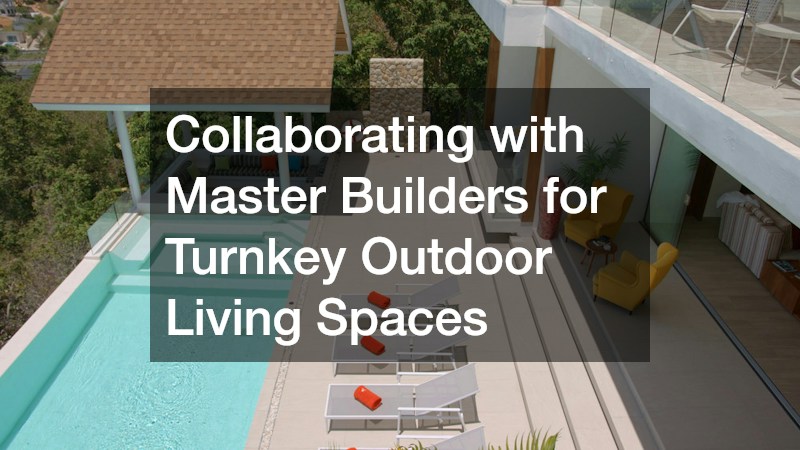
Today’s premier outdoor renovation projects rarely stop at the water’s edge. Homeowners are increasingly creating comprehensive outdoor entertainment suites that combine the swimming pool with integrated outdoor kitchens, covered pavilions, sunken fire pits, outdoor shower enclosures, and automated audio-visual systems. Managing these expansive projects through disparate contractors can lead to conflicting timelines, mismatched materials, and design inconsistencies.
Hiring an experienced luxury pool builder provides access to comprehensive, turnkey project execution where the aquatic environment and its surrounding amenities are conceived as a single architectural vision. Elite builders coordinate the entire construction sequence, matching the stone on the outdoor kitchen island to the pool coping, coordinating outdoor lighting scenes through a unified control panel, and ensuring that all gas and water lines are sized to support multiple high-demand fixtures simultaneously.
Tailoring Interior Finishes to Harmonize with Surrounding Landscapes
The interior plaster or aggregate finish of a pool is the primary element that determines the color, depth, and reflective character of the water. Traditional white marcite plaster, while historically common, is susceptible to chemical staining, mottling, and chemical etching, often giving water an artificial, pale-cyan tint that can clash with lush, natural landscapes.
Upgrading to contemporary finishes through modern custom pools provides access to exposed-aggregate surfaces infused with colored quartz crystals, smooth river pebbles, and iridescent glass beads. These premium finishes replicate the organic appearance of natural mountain streams, Caribbean lagoons, or deep glacial lakes, with water colors ranging from vibrant turquoise to dramatic deep ocean blue. The natural aggregate matrix forms a dense, non-porous surface that resists chemical wear and surface staining far better than standard plaster.
Incorporating Heated Hydrotherapy Spas for Year-Round Relaxation
While a swimming pool is primarily enjoyed during the warm summer months in many climates, integrating a dedicated hydrotherapy feature extends the usability of the backyard throughout all four seasons. Combining hot water, targeted massage jets, and ergonomic seating creates a powerful restorative environment that eases muscle tension, reduces daily stress, and encourages peaceful outdoor relaxation even in the depths of winter.
Integrating a custom concrete or spillover hot tub directly into the pool’s circulation and heating network allows homeowners to alternate effortlessly between swimming and hydrotherapy. Experienced aquatic engineers design custom bench seating with specialized jet configurations that target the neck, shoulders, and lower lumbar regions with pressurized water and air. Incorporating an elevated spillover weir allows warm water to cascade gently into the cooler main pool during the summer, serving as an attractive water feature when the spa is not in active use.
Laying the Groundwork for Long-Term Structural Longevity
The initial excavation and rough-in phase of building an in-ground pool sets the structural parameters that will govern the vessel for its entire lifespan. If the sub-base is inadequately compacted, if the steel rebar cage is placed too close to the earth without proper clearance chairs, or if the plumbing lines are improperly glued, no amount of expensive surface tile or decorative stone will prevent early structural failure.
Executing an immaculate in ground pool installation requires strict adherence to reinforced concrete construction standards, starting with deep, undisturbed sub-base grading. Skilled crews tie heavy-gauge steel rebar in precise grids, maintaining adequate clearance so that pneumatically placed gunite or shotcrete completely encapsulates every steel rod in high-density, void-free concrete. Dedicated pressure tests are conducted on all underground plumbing loops throughout the concrete shooting process to confirm that not a single joint has shifted or cracked under the impact.
Meticulous attention to detail during these initial structural phases ensures that the finished concrete vessel acts as a monolithic, watertight unit capable of enduring decades of ground movement and water weight. Applying waterproof membranes over the cured concrete before installing waterline tiles and plaster finishes adds an essential layer of moisture defense. A carefully executed structural installation protects your investment from the ground up, guaranteeing peace of mind and long-term durability.
Maintaining a luxurious, durable, and low-maintenance residential pool and spa environment requires coordinating site planning, precision stonework, aggregate surfaces, hydraulic maintenance, and certified trade craftsmanship into a single management approach. Prioritizing sub-surface soil stability, structural shell integrity, and efficient equipment pads before focusing on decorative stone accents and custom lighting ensures that your outdoor amenities rest on a reliable, code-compliant foundation. Combining durable natural stone coping with non-slip aggregate decks, custom interior pebble finishes, and automated hydrotherapy features creates a resilient, high-performance oasis that shields the property from unexpected repair bills while elevating everyday living.