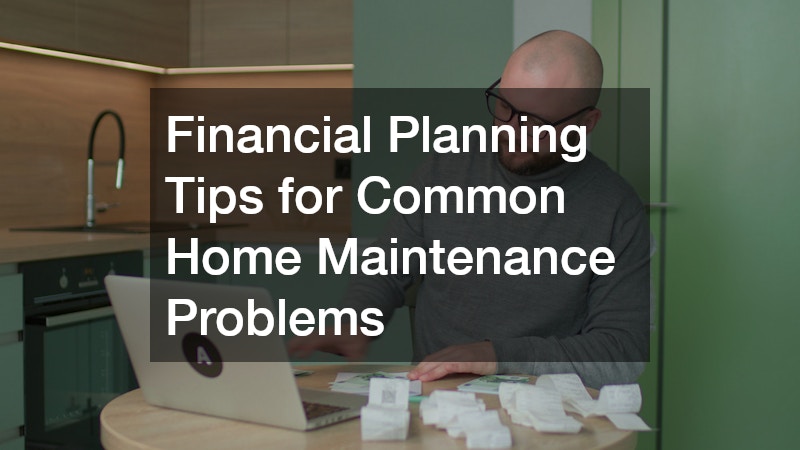
Owning a home comes with a sense of stability that renting often cannot match, but it also comes with an ongoing stream of maintenance responsibilities that many people underestimate. A dripping pipe, worn flooring, or failing water system may not seem urgent at first, yet these issues have a way of growing into expensive emergencies when ignored.
What surprises many homeowners is not just the cost of repairs themselves, but the timing. A major issue rarely appears when your budget feels comfortable. It often arrives during the holidays, after a job transition, or at the exact moment another large expense has already stretched your finances thin.
Financial planning for home maintenance is less about predicting every possible problem and more about creating enough flexibility to respond calmly when something inevitably needs attention. A thoughtful maintenance budget can reduce stress, prevent debt accumulation, and help you make better decisions under pressure.
Instead of reacting emotionally to repairs, homeowners who prepare financially can:
- Evaluate repair options more carefully
- Avoid relying heavily on credit cards
- Prevent small issues from becoming emergencies
- Spread large expenses across manageable savings goals
- Protect the long-term value of their property
Creating an Emergency Repair Strategy Before Problems Escalate
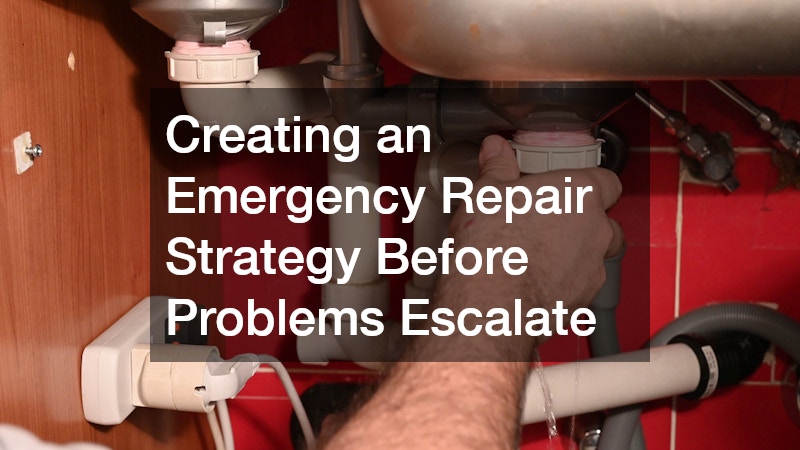
Most homeowners understand the importance of emergency savings in theory, but many fail to separate household repair funds from general savings accounts. As a result, money intended for a future roof leak or appliance failure often disappears into vacations, medical bills, or routine spending.
A dedicated home maintenance reserve creates psychological clarity. Even a modest monthly contribution adds up over time and provides breathing room when unexpected problems arise.
One helpful approach is to divide potential repairs into three categories:
- Immediate safety issues
- Preventative maintenance
- Long-term replacement projects
Safety-related repairs should always take priority. Electrical hazards, water intrusion, and structural concerns can worsen rapidly and become far more expensive when delayed.
Preventative maintenance is where homeowners often save the most money over time. Spending a few hundred dollars on inspections or servicing can prevent repairs costing thousands later.
Long-term replacement projects require a different mindset entirely. Water heaters, flooring, drainage systems, and other large household components have predictable lifespans. Planning for them years in advance makes replacement feel manageable instead of catastrophic.
Some financial advisors recommend saving 1% to 3% of your home’s value annually for maintenance, but the right number depends heavily on the age and condition of the property. Older homes typically demand more aggressive planning because aging systems tend to fail in clusters rather than individually.
Preventing Small Entryway Issues From Becoming Major Expenses
Many homeowners ignore subtle warning signs around entry systems because the problems appear minor at first. A noisy mechanism, inconsistent movement, or delayed response may seem more annoying than urgent. Unfortunately, these smaller symptoms often indicate wear that can lead to complete system failure.
When it comes to garage doors, postponing maintenance tends to increase expenses dramatically. Springs, rollers, and tracks experience constant mechanical stress, and minor imbalances place additional strain on the entire system over time.
One homeowner might spend a small amount correcting alignment issues early, while another delays the repair until the opener burns out entirely. The second situation usually costs several times more.
Rather than waiting for a breakdown, consider scheduling routine inspections annually. This approach allows technicians to identify worn components before they trigger larger failures.
A practical seasonal checklist may include:
- Lubricating moving parts
- Testing balance and alignment
- Checking weather seals
- Inspecting cables for fraying
- Listening for unusual grinding or vibration
The same logic applies to garage door repair decisions. Not every malfunction requires full replacement. In some cases, repairing individual components extends the lifespan significantly at a fraction of the cost.
Still, there are situations where replacement becomes more financially practical than repeated repairs. If service calls become frequent, energy efficiency declines, or safety systems no longer function reliably, continuing to patch the problem may waste money in the long run.
Financially prepared homeowners avoid panic decisions because they already have savings allocated for these moments.
Managing Water-Related Problems Without Destroying Your Budget

Water issues are among the most financially destructive problems a homeowner can face. A slow leak hidden behind a wall can quietly create thousands of dollars in structural damage before becoming visible.
The challenge is that plumbing problems often escalate invisibly. By the time stains appear on drywall or flooring begins warping, moisture may already have spread extensively.
Working with a qualified plumber early can significantly reduce long-term repair costs. Many homeowners wait until an emergency occurs because they assume inspections are unnecessary expenses, yet preventative evaluations frequently uncover small issues before they become disasters.
For example, an aging connection beneath a sink might cost very little to replace proactively. If ignored, however, the same issue could eventually damage cabinetry, flooring, insulation, and even adjacent rooms.
Homeowners can reduce financial strain from plumbing issues by following several preventative habits:
- Monitor water bills for unexpected increases
- Learn where emergency shut-off valves are located
- Schedule regular inspections
- Replace aging fixtures before they fail
- Address slow drains and leaks immediately
Routine evaluations from reputable plumbing services help identify aging fixtures, pipe corrosion, and inefficient systems before they fail unexpectedly.
It is also wise to understand your insurance coverage in detail. Some homeowners assume all water damage is covered automatically, only to discover exclusions after filing claims.
Policies vary widely regarding gradual leaks, sewer backups, and neglected maintenance. Reviewing coverage before problems arise helps you make informed financial decisions about additional protection if necessary.
Evaluating Long-Term Savings Before Upgrading Water Systems
Large home upgrades can feel intimidating because of their upfront costs, but focusing only on installation price sometimes leads homeowners to overlook substantial long-term savings.
A tankless water heater, for instance, often costs more initially than a traditional unit. That higher price causes many homeowners to delay upgrading, even when their existing system is aging inefficiently.
The more important question is not simply what the system costs today, but what it will cost over the next decade.
Energy-efficient systems frequently reduce monthly utility bills while also lasting longer than older alternatives. Over time, lower operating expenses may offset much of the original investment.
The same principle applies to a home water softener system. Hard water quietly affects plumbing fixtures, appliances, and pipes throughout a property. Mineral buildup shortens appliance lifespans and reduces efficiency, leading to higher maintenance and replacement costs over time.
A homeowner who invests in preventative upgrades may spend more initially but avoid repeated repair expenses later.
Before committing to a large upgrade, homeowners should evaluate:
- Expected lifespan of the system
- Long-term energy savings
- Maintenance requirements
- Financing terms and interest rates
- Potential impact on home resale value
Taking time to compare these factors creates a more realistic financial picture and prevents short-sighted decisions that may become expensive later.
Planning Ahead for Expensive Underground System Repairs
Some of the most financially intimidating home repairs are the ones homeowners cannot see easily. Underground systems often remain out of sight until problems become severe.
Properties relying on water well drilling infrastructure or septic systems require particularly careful financial planning because repair costs can escalate quickly and unpredictably.
A failing well pump, collapsing line, or drainage issue may require excavation, equipment replacement, or environmental remediation. These projects can become extremely expensive with little warning.
The difficulty is that underground systems rarely provide dramatic early warning signs. Instead, symptoms usually appear gradually.
Common warning signs include:
- Slow drainage
- Unusual odors
- Inconsistent water pressure
- Pooling water outdoors
- Rising utility usage
Ignoring these indicators frequently leads to larger and more disruptive repairs later.
Homeowners managing septic repairs often discover that delayed maintenance shortens the lifespan of the entire system. Regular inspections and pumping schedules may seem inconvenient, but they are far less expensive than complete system replacement.
Rural homeowners especially benefit from creating long-range maintenance plans for these systems. Rather than reacting to emergencies, proactive planning spreads costs over time and reduces financial shock.
Some homeowners open separate sinking funds specifically for high-cost infrastructure projects. Even modest monthly contributions accumulate meaningfully over several years and help prevent dependence on high-interest credit during emergencies.
Strengthening Home Security Without Overspending
Security-related repairs tend to happen unexpectedly. A lost key, damaged entry point, or malfunctioning mechanism usually requires immediate attention, which means homeowners often make rushed spending decisions.
The challenge with lock repair is that urgency can cloud judgment. People frequently pay for unnecessary replacements simply because they lack time to evaluate alternatives carefully.
In many situations, repairing existing hardware restores proper function at a much lower cost than installing entirely new systems.
That said, not every repair should prioritize short-term savings alone. Security hardware protects both property and personal safety, so homeowners should balance affordability with reliability.
A useful approach is to think in stages rather than extremes:
- Repair functioning systems with isolated wear
- Upgrade outdated components gradually
- Replace severely compromised hardware immediately
This phased strategy spreads expenses over time while still improving household security steadily.
Another overlooked financial factor involves emergency service timing. Late-night or holiday service calls often cost significantly more than scheduled appointments. Performing routine maintenance and addressing minor problems early reduces the likelihood of paying premium emergency rates later.
Smart homeowners also track recurring repair expenses. If the same entry system requires repeated fixes, replacement may ultimately become more cost-effective.
Extending Flooring Lifespans Through Consistent Maintenance Habits
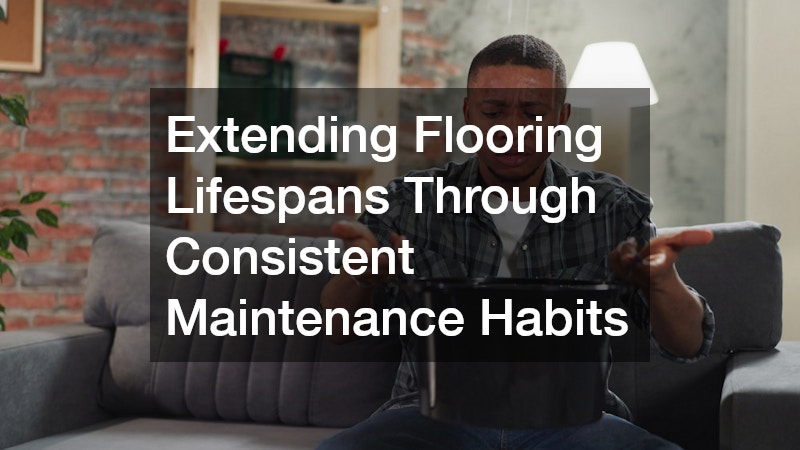
Flooring replacement is one of those household expenses that people often postpone for years, partly because deterioration happens gradually. A stained or worn surface rarely creates immediate urgency the way a plumbing leak does.
Still, neglected flooring eventually affects comfort, cleanliness, indoor air quality, and even resale appeal.
Proper maintenance dramatically extends the lifespan of carpets, especially in high-traffic areas where fibers experience constant stress. Yet many homeowners unintentionally shorten flooring life through inconsistent care routines.
Simple habits make a surprisingly large difference over time:
- Removing shoes indoors
- Cleaning spills immediately
- Using entry mats near doors
- Vacuuming high-traffic areas frequently
- Scheduling professional deep cleaning periodically
The financial impact of preventative care becomes obvious when comparing replacement timelines. Flooring maintained consistently may last years longer than neglected surfaces exposed to dirt, moisture, and abrasion.
Professional cleaning sometimes feels like an unnecessary luxury expense, but it often delays replacement significantly. In many cases, spending a few hundred dollars periodically preserves thousands of dollars in flooring costs.
Families with pets or children may benefit from setting aside small monthly amounts specifically for flooring upkeep. Planning ahead reduces hesitation when professional maintenance becomes necessary.
It is also important to evaluate replacement timing realistically. Waiting until flooring becomes severely damaged sometimes increases costs further because subfloor issues or moisture damage may develop underneath.
Financially strategic homeowners avoid both extremes: replacing surfaces prematurely and postponing maintenance excessively.
Building a Maintenance Budget That Can Adapt Over Time
One of the biggest mistakes homeowners make is assuming their maintenance budget should remain static year after year.
Homes evolve. Systems age. Weather patterns shift. Family needs change.
A maintenance plan that worked perfectly five years ago may no longer reflect current realities.
Instead of treating home maintenance budgeting as a rigid formula, it helps to think of it as an evolving framework. Certain years may require very little spending, while others bring several large expenses close together.
Flexibility matters more than perfection.
Many homeowners find it useful to create maintenance timelines organized by expected replacement windows. Water heaters may need replacement within a decade, flooring may require updates after years of wear, and appliances inevitably become less efficient as they age.
Digital budgeting tools can also simplify maintenance tracking considerably. Monitoring repair history helps identify spending patterns and highlights systems becoming increasingly expensive to maintain.
A practical maintenance budget often includes:
- Monthly emergency savings contributions
- Seasonal inspection expenses
- Annual preventative maintenance costs
- Long-term replacement goals
- Insurance deductibles for emergencies
Some homeowners discover that repeated small repairs eventually exceed replacement costs. Others realize they have been underfunding maintenance savings for years without noticing.
There is also emotional value in financial preparedness that often goes unmentioned. Home repairs feel far less stressful when money has already been allocated intentionally.
Instead of reacting with panic, financially prepared homeowners can focus on choosing qualified professionals, comparing solutions carefully, and protecting the long-term value of their property.
Ultimately, home maintenance is not just about preserving buildings. It is about preserving financial stability, reducing avoidable stress, and creating a home environment that remains safe and functional over time.
Thoughtful planning will not eliminate every surprise repair, but it can transform those moments from financial crises into manageable inconveniences.