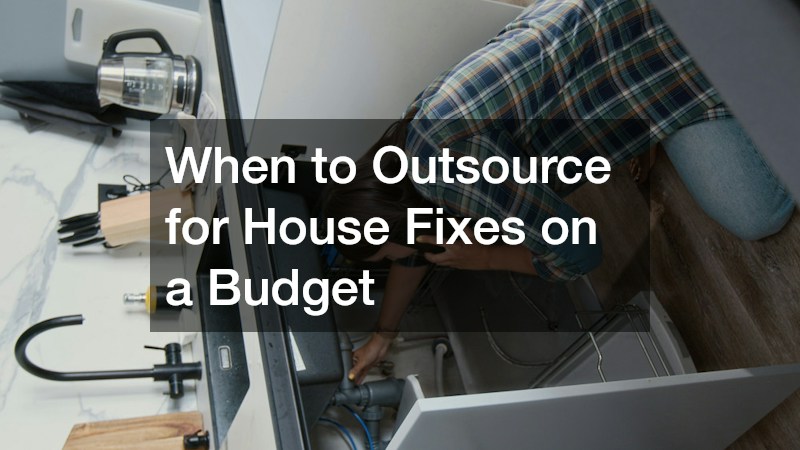
Maintaining a home comes with a continuous stream of maintenance tasks, minor upgrades, and occasional structural emergencies. For homeowners trying to stretch every dollar, deciding between tackling a project personally or paying a professional is one of the most critical financial choices to make. While taking the hands-on approach can save money on labor, misjudging your skill level or the complexity of a system can result in costly property damage, safety hazards, or failed municipal inspections.
Knowing when to delegate a job to a professional requires evaluating your technical knowledge, the specialized tools required, and the risks involved. By strategically targeting which projects to hire out and which to handle yourself, you can keep your home safe and fully functional without overspending. This guide breaks down the essential factors for balancing your home maintenance budget while securing quality professional work when it matters most.
Mastering the Budget-Minded Outsourcing Strategy

Evaluating Safety and Structural Integrity
When reviewing any home repair project, safety must always be the top priority. Certain household systems carry inherent risks, including high-voltage electricity, pressurized water, combustible natural gas, or substantial heights. Attempting complex repairs in these areas without proper training can result in severe personal injury or catastrophic damage to your home. Professionals undergo extensive training and carry liability insurance to manage these risks safely.
Beyond immediate safety concerns, consider the long-term structural integrity of your property. Improper structural modifications, incorrect plumbing installations, or poor moisture barrier application can quietly ruin walls, foundations, and subflooring over time. In these situations, hiring qualified technicians is a preventative measure that shields you from massive repair bills in the future.
Calculating the True Cost of DIY
Many homeowners assume doing a job themselves is always cheaper because they are not paying for labor. However, calculating the true expense of a self-managed project requires looking beyond the raw cost of raw materials. Special tools, equipment rentals, safety gear, and waste disposal fees quickly add up, often closing the gap between doing it yourself and hiring a budget-friendly professional who already possesses these assets.
Time and potential rework are additional factors that are often overlooked. A professional might finish a complicated job in two hours, whereas an inexperienced homeowner might spend multiple weekends struggling through it. If a mistakes occurs, hiring a professional to fix a flawed DIY attempt almost always costs significantly more than hiring them would have in the first place.
Navigating Codes, Permits, and Warranties
Municipal building codes exist to ensure that residential properties remain safe for current and future occupants. Major electrical, plumbing, structural, and mechanical upgrades typically require official permits and formal inspections by local authorities. Completing this work without proper permits can create major complications when you decide to sell your home, potentially lowering your property value or stalling a real estate transaction.
Additionally, many high-cost household appliances and building materials come with manufacturer warranties that require professional installation to remain valid. Attempting to repair or replace these components yourself could instantly void your coverage. Using licensed professionals protects your equipment warranties and ensures that all completed work fully aligns with local building standards.
Critical Electrical and Wiring Projects
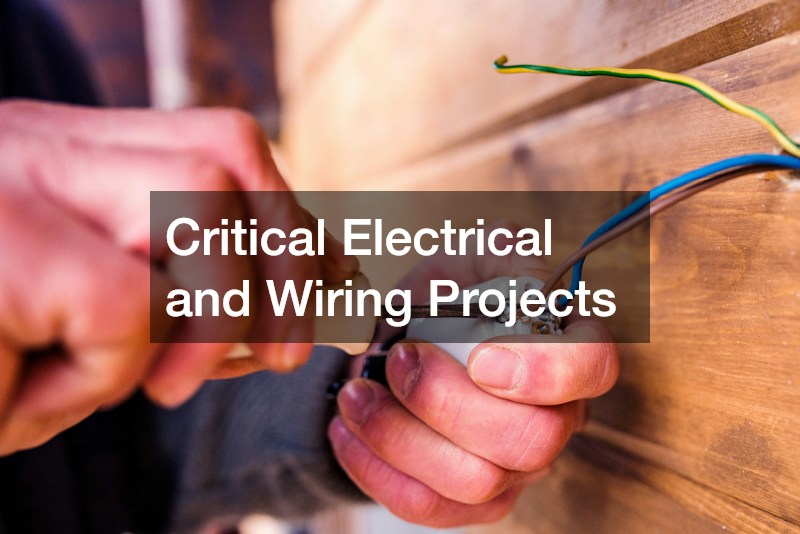
Managing High-Voltage Circuits and Service Panels
Electrical work requires extreme precision, deep technical knowledge, and absolute respect for safety protocols. Updating a main electrical panel, running new dedicated circuits, or wiring heavy-duty appliances involves voltages capable of causing severe shocks or triggering electrical fires. These complex installations are not suitable for trial-and-error learning, making professional expertise essential for maintaining household safety.
Hiring certified electricians ensures that your home electrical system is properly grounded, correctly balanced, and wired using appropriate wire gauges and breaker sizes. Professional electricians can quickly troubleshoot hidden junction box issues, repair damaged insulation within walls, and bring older electrical systems up to modern standards safely.
Troubleshooting Complex Electrical Faults
Flickering lights, frequently tripped circuit breakers, or outlet faceplates that feel warm to the touch often signal underlying electrical problems that require expert diagnostic skills. Finding the source of a fault inside a finished wall requires specialized diagnostic meters and a thorough understanding of how residential circuits operate. Guessing at the solution can leave active hazards unresolved behind your walls.
Enlisting certified electricians to perform a thorough electrical inspection gives you a comprehensive assessment of your power grid. They can identify overloaded circuits, repair loose connections, and replace failing wiring before it leads to appliance damage or safety risks. Paying for an accurate diagnosis upfront prevents wasted spend on unnecessary component replacements.
Vital Cooling and Heating Systems

Diagnosing Central Air Cooling Failures
Air conditioning units rely on closed-loop chemical refrigerants, high-voltage electrical connections, and intricate airflow mechanics. When your system stops cooling effectively, the problem could stem from a failing compressor, a bad capacitor, a refrigerant leak, or an obstructed expansion valve. Attempting to fix these components without proper diagnostic tools can permanently ruin the compressor motor.
Reaching out to local ac repair companies allows you to pinpoint mechanical failures quickly without throwing money at unnecessary replacement parts. Skilled technicians carry specialized manifolds to read pressure levels accurately and safely handle chemical refrigerants in compliance with environmental laws. Investing in professional diagnostics prevents minor electrical failures from escalating into full system replacements.
Preserving System Efficiency Through Routine Care
Regular seasonal maintenance is the single most effective way to extend the operating lifespan of your heating and cooling equipment while keeping monthly utility costs low. While replacing basic air filters is an easy task for any homeowner, deeper servicing demands specialized technical skills. Overlooking internal component care causes your system to work harder, accelerating wear and driving up power bills.
Scheduling professional HVAC Service ensures that blower wheels are properly cleaned, electrical connections are tightened, and condensate lines are flushed clean. Technicians also measure system airflow and calibrate control systems to maintain peak efficiency throughout the year. Consistent professional upkeep protects your financial investment and keeps your home comfortable in extreme weather.
Resolving Sudden Cooling Equipment Disruptions
When your cooling unit breaks down in the middle of a scorching heatwave, finding a reliable, budget-friendly fix becomes an urgent priority. Attempting emergency repairs on an overheating unit without adequate mechanical knowledge often leads to misdiagnoses, prolonged discomfort, and unnecessary expenses. Professional technicians have immediate access to wholesale replacement components and specialized tools to restore service quickly.
Working with experienced local ac repair companies guarantees that emergency troubleshooting is handled safely and effectively. Professional technicians can quickly identify bad fan motors, faulty contactors, or blown control board fuses, restoring your cooling system without unnecessary delays. Prompt expert intervention keeps minor component failures from damaging major system electronics.
Restoring Performance with Specialized Equipment
When an air conditioning unit experiences severe electrical shorts or mechanical lockups, resolving the issue requires specialized gear that average homeowners do not possess. Repairing delicate aluminum fins, charging refrigerant lines to precise levels, and testing compressor windings demand high-grade equipment. Purchasing these specialized diagnostic tools for a one-time project completely destroys any potential savings.
Relying on established ac repair services ensures your cooling system is restored using industry-grade tools and factory-approved components. Professional technicians complete tricky repairs efficiently, ensuring your unit operates safely and reliably. Contracting out these technical tasks keeps your indoor environment controlled while protecting your financial budget.
Essential Plumbing and Drainage Solutions
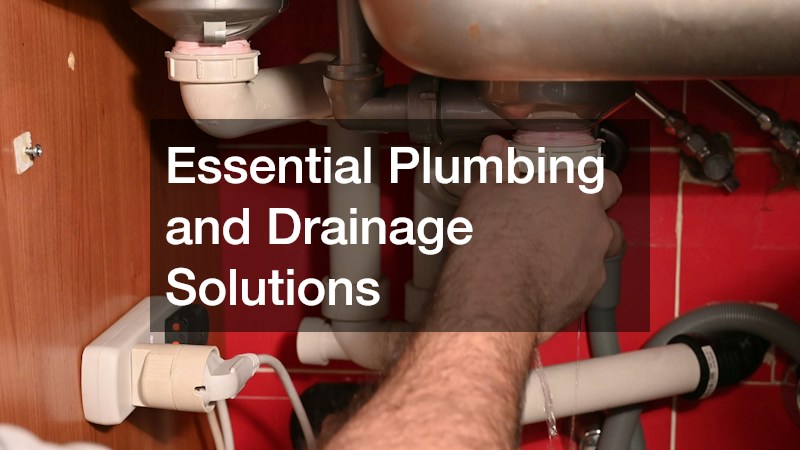
Resolving Severe Main Line Blockages
A slow sink drain can usually be cleared with a standard plunger, but persistent mainline blockages require a much higher level of intervention. Tree roots, accumulated grease, and structural pipe collapses deep within your plumbing system can cause wastewater to back up into multiple household fixtures. Chemical drain cleaners are often ineffective on heavy blockages and can corrode older pipes over time.
Investing in professional drain cleaning services provides a safe, long-term fix for stubborn plumbing obstructions. Skilled plumbers use high-powered hydro-jetting equipment and specialized drain augers to clear stubborn debris without harming your pipe walls. They can also insert specialized sewer cameras into the line to locate structural cracks or root penetrations, preventing recurring plumbing emergencies.
Addressing Critical Plumbing Emergencies
Burst water supply lines, broken main shutoff valves, and severe pipe ruptures can cause thousands of dollars in property damage within a matter of minutes. When water is actively flooding living spaces, taking immediate action is vital to limit structural destruction and prevent dangerous mold growth. Attempting makeshift repairs during a crisis often delays effective containment and leads to higher overall damage costs.
Calling for emergency water repair secures immediate, professional containment and damage mitigation when every minute counts. Experienced technicians bring industrial water extraction equipment, commercial dehumidifiers, and high-volume air movers to dry out building structures rapidly. Contracting this urgent work out guarantees that moisture is thoroughly eliminated from subfloors and wall cavities, protecting your financial investment.
Underground Wastewater Management
Managing On-Site Waste Disposal Systems
Homes that rely on private wastewater systems require consistent monitoring and scheduled maintenance to function properly. Heavy solids settle at the bottom of the holding tank over time, gradually reducing overall system capacity and increasing the risk of plumbing backups. Allowing solid waste to accumulate too close to the tank outlet can cause catastrophic damage to your drain field.
Arranging for routine septic tank pumping prevents heavy waste solids from overflowing into your subterranean absorption fields. Professional technicians use high-capacity vacuum trucks to empty the tank safely and dispose of waste in compliance with environmental laws. Regular waste removal protects your soil absorption area and avoids the extreme cost of a complete system replacement.
Troubleshooting Complex Wastewater Mechanics
When an underground wastewater system fails, identifying the source of the issue requires specialized testing equipment and a clear understanding of soil mechanics. Foul odors in your yard, soggy soil patches above the drain field, or slow-draining toilets throughout the home can point to cracked distribution lines, failed pumps, or soil saturation. Random digging around the tank often worsens pipe damage.
Contracting local septic repairs ensures that subterranean pipe networks, baffles, and effluent pumps are diagnosed accurately. Licensed technicians conduct pressure tests, inspect tank baffles, and evaluate drain field percolation to locate systemic failures. Trusting these heavy mechanical tasks to professionals keeps your wastewater system operating safely without triggering expensive environmental cleanup fees.
Protecting Your Roof and Home Exterior
Inspecting and Fixing Overhead Structural Leaks
Your roof serves as the primary defense against rain, snow, wind, and solar heat. Even a small roof leak can travel along internal rafters and destroy insulation, drywall, and ceilings before showing up inside your home. Locating the exact point of entry for water requires walking on steep pitches, which presents severe fall risks for untrained homeowners.
Enlisting local roofers to inspect and repair your overhead coverage guarantees that leaks are traced back to their true source. Professional contractors have the specialized climbing gear, safety harnesses, and structural knowledge needed to work safely on steep slopes. Relying on experienced workers ensures that underlayment and flashing are installed correctly to withstand harsh weather.
Restoring Damaged Roofing Components
Strong storms, falling tree limbs, and general weathering can strip away shingles, damage flashing, and breach roof underlayment. While fixing a few loose shingles might seem like an easy task, improper nail placement or incorrect sealant application will leave your home vulnerable to future water intrusion. Poorly executed roof work can also void material warranties and lead to denied insurance claims.
Hiring skilled specialists for necessary roof repairs preserves the structural integrity of your home while keeping project costs under control. Professional contractors can identify hidden deck rot, repair damaged step flashing around chimneys, and replace damaged shingles using proven waterproofing techniques. Investing in professional craftsmanship ensures your roof remains weather-tight for years to come.
Balancing Your Budget with Strategic Delegations
Determining Your Skill Boundaries Honestly
Successful home maintenance on a tight budget comes down to accurately assessing your skills and knowing when to seek professional assistance. Tackling basic cosmetic updates, minor drywall repairs, simple fixture swaps, and exterior painting yourself keeps labor expenses manageable. Save your budget for complex mechanical, structural, and high-voltage electrical projects that require licensed expertise.
Before starting any home repair, ask yourself three essential questions:
-
Do I possess the exact tools required to complete this job correctly without buying expensive single-use equipment?
-
Does this project involve significant safety hazards, high voltage, or potential structural damage if mismanaged?
-
Will a mistake during this repair cost significantly more to fix than hiring a professional in the first place?
If you answer yes to any of those questions, delegating the job to a professional is the smarter financial choice. Dividing tasks strategically lets you stretch your home improvement budget further while protecting your physical property.
Securing Competitive Quotes and Quality Service
To stretch your budget when hiring out home repairs, take time to gather multiple competitive quotes from local service providers. Reach out to at least three independent, licensed contractors for detailed, itemized estimates before committing to major work. Comparing labor costs, material markups, and project timelines helps you find competitive pricing without sacrificing overall quality.
Always verify that any contractor you hire carries active liability insurance, appropriate state licenses, and positive customer references. Choosing established local businesses ensures that your service providers stand behind their work and remain accessible if issues arise down the road. Thoughtful planning and smart outsourcing allow you to maintain a safe, functional home while staying firmly in control of your spending.
Maintaining a comfortable home on a budget requires a realistic assessment of what you can accomplish safely and effectively on your own. By taking on manageable cosmetic tasks and delegating complex mechanical, structural, and electrical work to qualified professionals, you protect both your property and your financial security. Smart homeownership is not about doing every single project yourself, but rather knowing how to spend your hard-earned dollars wisely to maintain long-term property value.