Owning a home comes with a constant stream of responsibilities, and many of the most expensive repairs begin as small, easy-to-miss problems. A tiny roof leak may not seem urgent at first. A slightly uneven sidewalk can appear harmless for months. An air conditioning system that runs a little louder than normal may still cool the house well enough to ignore. Yet over time, these issues tend to grow quietly until homeowners are suddenly facing repairs that cost thousands of dollars.
Preventive maintenance changes that pattern completely. Instead of reacting to emergencies, homeowners stay ahead of them through regular inspections, seasonal upkeep, and timely repairs. The goal is not perfection. It is consistency. Small efforts repeated throughout the year protect the systems that keep a home comfortable, safe, and efficient.
Many homeowners discover this lesson the hard way. A neglected gutter system causes water to seep behind siding. A small plumbing leak slowly damages cabinetry. An HVAC system loses efficiency because filters were never replaced. These problems rarely happen overnight. More often, they develop slowly enough that they are easy to postpone until the damage becomes impossible to ignore.
The good news is that most costly home repairs are preventable. Understanding what to inspect, when to act, and when to call a professional can save significant money over the life of a home.
Understanding Why Minor Problems Become Major Expenses

Homes are constantly exposed to stress. Rain, humidity, sunlight, freezing temperatures, shifting soil, and everyday wear all affect different parts of the property. Preventive maintenance works because it interrupts damage before it spreads.
Consider a small roof issue. A single loose shingle may allow moisture into the attic during heavy rain. That moisture can soak insulation, stain ceilings, weaken wood framing, and eventually encourage mold growth. By the time visible interior damage appears, the repair often involves multiple systems instead of one simple fix.
The same principle applies throughout the home. Preventive care protects homeowners from what contractors sometimes call “compounding damage,” where one neglected issue creates several additional problems.
There is also a financial advantage that extends beyond repairs alone. Well-maintained homes usually experience:
- Lower monthly utility costs
- Longer equipment lifespan
- Fewer emergency service calls
- Better resale value
- Reduced insurance complications
A practical maintenance routine does not require advanced skills. It mostly involves paying attention consistently throughout the year.
Inspecting Exterior Surfaces Before Weather Damage Spreads
Roof problems often develop gradually, especially after storms or seasonal temperature swings. Many homeowners never notice damage until water reaches the interior of the home, but by that stage, repairs are usually far more expensive.
Walking around the property after severe weather can reveal early warning signs. Curling shingles, missing flashing, dark streaks, or granules collecting near downspouts may indicate developing issues. Inside the attic, damp insulation or musty smells can signal hidden moisture intrusion.
Working with a local roofer for annual inspections can help identify problems before they require large-scale reconstruction. Professional inspections are particularly valuable for older homes or properties surrounded by large trees where debris regularly accumulates.
Small repairs matter more than many homeowners realize. Prompt roof repair after minor storm damage may prevent structural rot, insulation replacement, or ceiling restoration later.
One homeowner learned this after postponing a small leak near a chimney because the stain seemed minor. Within several months, moisture spread into the attic framing, resulting in a repair bill several times larger than the original estimate. The issue itself was manageable early on. Delaying action made it expensive.
Preventive roof maintenance works best when inspections occur seasonally rather than only after visible leaks appear.
Managing Drainage Systems Before Water Reaches the Foundation
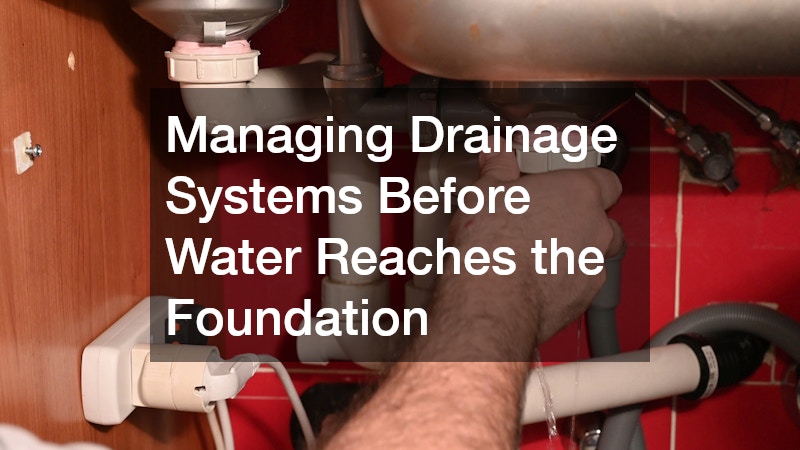
Water management is one of the most overlooked aspects of home maintenance. Gutters rarely attract attention when functioning properly, but poor drainage can damage siding, landscaping, foundations, and even interior walls.
Older homes with decorative drainage systems often require closer monitoring because corrosion and hidden blockages can develop gradually. In some cases, homeowners eventually require box gutter replacement after years of unnoticed deterioration.
One of the simplest maintenance habits involves checking gutters during seasonal transitions. Leaves, seed pods, and debris can collect surprisingly quickly, especially during fall and spring.
Homeowners should look for:
- Overflowing water during rainfall
- Sagging gutter sections
- Rust spots or peeling paint
- Water pooling near the foundation
- Mildew along exterior walls
Even homes without visible clogs may experience drainage problems if downspouts discharge water too close to the structure.
Cold climates create additional concerns. Ice dams form when melting snow refreezes near roof edges, forcing water beneath roofing materials. Proper insulation, attic ventilation, and clear drainage pathways help reduce this risk significantly.
Maintenance in this area is less glamorous than remodeling projects, but few tasks offer a better return on investment.
Improving Cooling Efficiency Before Utility Costs Rise
Air conditioning systems often give subtle warnings before major failures occur. Rising energy bills, uneven temperatures, longer cooling cycles, or reduced airflow usually appear long before a system completely stops working.
Routine maintenance can dramatically reduce strain on HVAC equipment. Replacing air filters every one to three months improves airflow and helps systems operate more efficiently. Dirty filters force units to work harder, increasing both wear and monthly energy consumption.
Outdoor condenser units also require attention. Grass clippings, leaves, and overgrown landscaping restrict airflow around the system. Simply clearing debris several feet around the unit can improve performance noticeably.
Scheduling local ac repair services before peak summer temperatures arrive is often less expensive and less stressful than waiting for emergency breakdowns during heat waves.
Many homeowners also ignore small performance changes because the system still technically works. However, weak airflow or inconsistent cooling may indicate developing mechanical issues that become much costlier if ignored.
In some homes, repeated ac repairs stem from maintenance neglect rather than defective equipment. Dirty coils, clogged drain lines, or low refrigerant levels can place constant strain on components.
Preventive cooling maintenance is especially important in warmer climates where systems operate for extended periods throughout the year. Equipment lifespan depends heavily on how hard the system must work to maintain indoor comfort.
Catching Plumbing Problems Before Water Causes Structural Damage
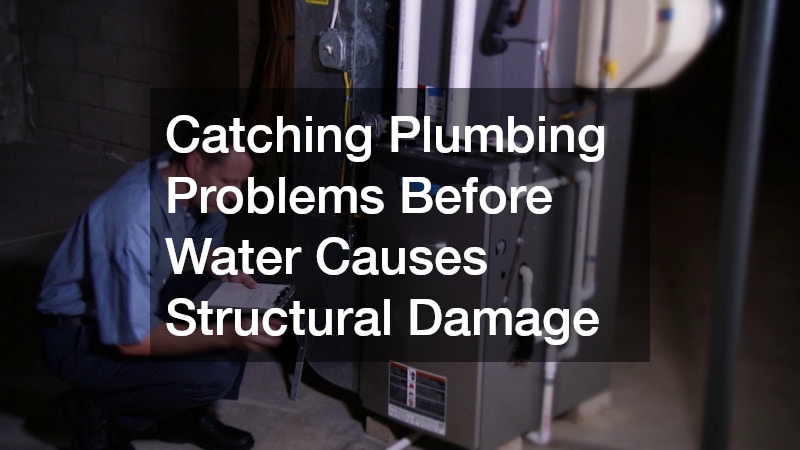
Few home issues become expensive as quickly as water leaks. Even slow drips hidden behind walls or beneath sinks can quietly damage flooring, drywall, cabinetry, and framing over time.
Preventive plumbing inspections do not require specialized tools. Homeowners can begin by checking beneath sinks for moisture, inspecting appliance connections, and monitoring water pressure changes.
A sudden increase in water bills may indicate hidden leaks even when no visible water appears inside the home.
Experienced homeowners often develop a habit of listening carefully to their homes. Running toilets, dripping faucets, and unusual pipe noises can reveal developing problems early.
Working with a qualified plumber periodically helps identify aging pipes, failing seals, or vulnerable fixtures before emergencies occur. This is especially valuable in older homes where plumbing systems may already be approaching the end of their expected lifespan.
One commonly overlooked issue involves drain maintenance. Slow drains are frequently treated as annoyances rather than warnings. Yet recurring clogs may indicate buildup, root intrusion, or pipe deterioration.
Simple preventive habits help considerably:
- Avoid pouring grease into drains
- Install drain strainers in sinks and showers
- Flush water heaters periodically
- Disconnect outdoor hoses before freezing temperatures
- Monitor water pressure for sudden fluctuations
Many costly plumbing emergencies begin with symptoms homeowners notice but postpone addressing.
Protecting Walking Surfaces Before Cracks Become Hazards
Exterior concrete surfaces endure constant exposure to moisture, temperature swings, and soil movement. Small cracks often appear harmless at first, but seasonal freeze-thaw cycles can expand them rapidly.
Uneven sidewalks create more than cosmetic concerns. They may become tripping hazards, collect standing water, or allow further structural shifting underneath the slab.
Preventive sidewalk repair helps homeowners avoid larger reconstruction costs later. Addressing minor cracking early is usually far less expensive than replacing large concrete sections after extensive damage develops.
One practical approach involves seasonal inspections after winter weather. Homeowners should pay close attention to areas where water pools or where concrete edges appear raised or sunken.
Tree roots are another common culprit. Expanding roots beneath walkways gradually shift slabs upward, creating uneven surfaces that worsen over time.
In many neighborhoods, exterior appearance also affects perceived property value. Cracked or sinking walkways can make an otherwise well-maintained home appear neglected.
Regular sealing, drainage management, and early crack repair all contribute to longer-lasting concrete surfaces.
Maintaining Entry Systems Before Mechanical Failures Occur
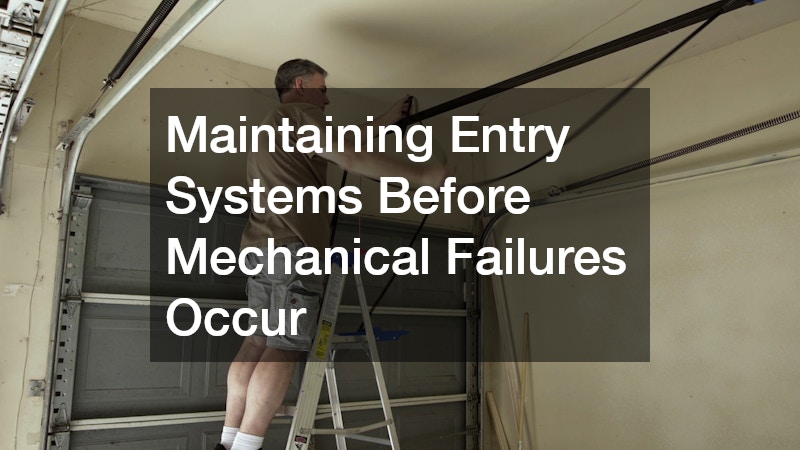
Garage doors are among the most frequently used moving systems in a home, yet many homeowners rarely maintain them until something breaks.
A noisy garage door is often an early warning sign rather than a harmless inconvenience. Grinding sounds, delayed movement, or uneven operation may indicate worn rollers, loose hardware, or spring tension issues.
Routine lubrication helps reduce wear on moving components and can extend system lifespan significantly. Tracks should remain clean, and weather seals should be inspected periodically for cracking or gaps.
Homeowners sometimes overlook how much energy loss occurs through poorly sealed garage doors, especially when garages connect directly to living spaces.
Working with a trusted garage door company for periodic inspections can help identify safety concerns before failures occur. Springs and cables operate under high tension and should not be treated as simple DIY projects.
One homeowner discovered this after ignoring a jerking garage door for months. Eventually, a spring snapped unexpectedly, damaging the opener and trapping the vehicle inside during a workday morning rush. The repair became far more disruptive and expensive than early servicing would have been.
Preventive maintenance here is largely about recognizing small operational changes before mechanical stress worsens.
Monitoring Flat Roofing Systems Before Leaks Develop
Flat and low-slope roofing systems require different maintenance strategies than traditional pitched roofs. Water drains more slowly, making standing moisture one of the biggest threats to long-term durability.
Commercial-style materials such as tpo roofing are valued for energy efficiency and durability, but they still require regular inspections. Small punctures, seam separation, or drainage issues can allow water infiltration over time.
One challenge with flat roofing systems is that damage often remains hidden longer than homeowners expect. Water may travel beneath roofing membranes before visible interior signs appear.
Routine inspections should focus on:
- Ponding water after rainfall
- Debris accumulation
- Surface punctures
- Loose seams
- Drainage blockages
Homeowners sometimes assume newer roofing systems require little attention, but even durable materials benefit from preventive care.
Heavy storms deserve special attention because wind-blown debris can damage roofing membranes without creating immediately visible leaks.
Consistent inspections help maximize the lifespan of flat roofing systems while reducing the likelihood of unexpected repairs.
Supporting Long-Term Accessibility Through Routine Care
As more homeowners plan to age in place, home accessibility systems are becoming increasingly important. Equipment designed for mobility and convenience also requires regular maintenance to remain reliable and safe.
Residential elevators contain mechanical, electrical, and safety components that should be inspected routinely. Like any complex system, small performance issues can become larger problems if ignored.
Homeowners should pay attention to unusual noises, jerky movement, delayed door operation, or inconsistent stopping. These symptoms may indicate developing motor or control system issues.
Preventive servicing reduces the risk of unexpected breakdowns and helps ensure dependable operation for those who rely on the equipment daily.
Unlike cosmetic upgrades, accessibility systems directly affect quality of life. A malfunctioning elevator may limit mobility within the home for aging homeowners or iniduals recovering from injuries.
Routine maintenance also protects long-term investment value. Well-maintained systems generally experience fewer emergency repairs and longer operational lifespans.
One family discovered the importance of regular servicing after a neglected elevator experienced repeated shutdowns during holiday gatherings. The inconvenience affected elderly relatives who struggled with stairs, turning a preventable issue into a stressful situation.
Maintenance schedules may vary depending on system type, but consistency matters more than waiting for visible failures.
Building Seasonal Habits That Simplify Homeownership
Preventive maintenance becomes far more manageable when homeowners ide tasks across the year rather than attempting everything at once.
Spring often focuses on inspection and cleanup. Winter weather may reveal roof damage, drainage issues, or concrete cracking that developed during colder months.
Summer is ideal for cooling system maintenance, exterior painting, and landscaping adjustments that improve airflow around the home.
Fall preparation becomes especially important because colder weather amplifies existing weaknesses. Cleaning gutters, sealing gaps, and inspecting heating systems help reduce winter-related damage risks.
Winter maintenance may involve monitoring indoor humidity, protecting pipes from freezing, and checking for ice buildup near roofing systems.
Some homeowners find it helpful to create simple seasonal checklists instead of relying on memory alone. Digital reminders, maintenance apps, or printed schedules can prevent important tasks from being forgotten during busy periods.
Preventive maintenance is rarely about dramatic repairs. More often, it involves noticing gradual changes early enough to respond before costs escalate.
A well-maintained home does not happen accidentally. It reflects small, repeated decisions made consistently over time.
Homeowners who invest effort into preventive care often experience fewer emergencies, lower long-term costs, and greater confidence in the condition of their property. Instead of reacting to expensive surprises, they create systems that keep problems manageable from the start.
Over the years, those small habits can protect not only a home’s structure and value, but also the comfort and peace of mind of everyone living inside it.