Introduction
Maintaining a home involves much more than occasional cleaning or decorating. Every property relies on a network of essential systems that keep daily life comfortable, safe, and efficient. From heating and cooling equipment to plumbing infrastructure and electrical systems, each component requires proper maintenance and timely repairs to function reliably.
According to the U.S. Department of Housing and Urban Development, homeowners spend an average of 1%–4% of their property value annually on maintenance and repairs. Meanwhile, data from the National Association of Home Builders shows that heating, plumbing, and electrical systems are among the most common areas requiring professional repair services. When these systems malfunction unexpectedly, they can disrupt daily routines and lead to costly emergency repairs.
Many homeowners struggle to determine when repairs are necessary or how to prioritize maintenance tasks. Without a clear plan, small problems such as minor leaks or unusual noises in appliances can gradually develop into major structural or mechanical failures. Creating a structured repair plan helps homeowners identify potential issues early and allocate resources effectively.
Modern homes rely on multiple interconnected systems that require specialized expertise to maintain. Roofing protects the structure from weather exposure, HVAC systems regulate indoor temperatures, plumbing infrastructure ensures clean water access, and electrical systems power essential appliances. Regular inspections and proactive repairs allow homeowners to extend the lifespan of these systems while preventing safety risks.
Planning repair services strategically also helps homeowners avoid unexpected expenses. By understanding the most common issues affecting household systems and scheduling inspections when necessary, property owners can maintain their homes efficiently while preserving long-term property value.
This guide explores how homeowners can plan repair services for critical household systems. By understanding how different components operate and recognizing early warning signs, homeowners can take proactive steps to maintain a safe, comfortable, and reliable living environment.
Protecting Your Home’s Structural Covering from Weather Damage
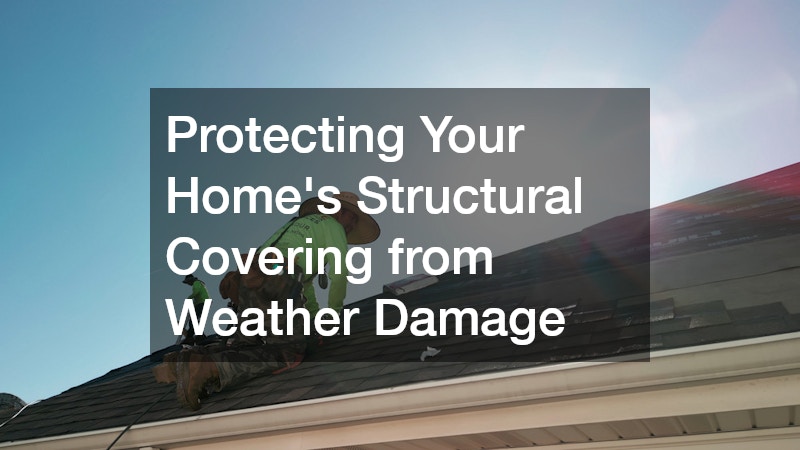
A home’s exterior covering plays a vital role in protecting the structure from environmental exposure. Rain, wind, sunlight, and seasonal temperature changes can gradually weaken roofing materials over time. When damage begins to appear, timely roof repairs can help restore the structure’s protective barrier and prevent moisture from entering the home.
Roofing systems are designed to withstand various weather conditions, but even durable materials can deteriorate after years of exposure. Shingles may crack, flashing may loosen, and underlayment materials may gradually absorb moisture. These issues often require professional roof repairs to prevent water from penetrating the roofing layers and damaging the structure beneath.
Homeowners often overlook roofing problems until visible signs appear inside the house. Water stains on ceilings, mold growth in attic areas, or unexpected humidity levels may indicate hidden roofing damage. Routine inspections help identify early warning signs, allowing contractors to address issues quickly before extensive structural problems develop.
Weather patterns also influence how frequently roofing systems require maintenance. Homes located in areas with heavy rainfall, snow accumulation, or strong winds often need more frequent inspections. Preventive maintenance and timely repairs help ensure the roofing system continues protecting the home effectively throughout the year.
Fix-It Steps for Evaluating Exterior Protection
-
Inspect attic spaces for signs of water infiltration
-
Check for missing or damaged shingles after storms
-
Monitor ceilings for water stains or discoloration
-
Schedule professional inspections every few years
-
Address small roofing issues before they expand into structural damage
Restoring Efficient Heating and Cooling Performance
Comfort inside a home depends heavily on reliable climate control systems. Heating and cooling equipment regulate indoor temperatures, maintain air quality, and ensure a comfortable environment during seasonal weather changes. When these systems malfunction, professional heat pump repair services may be required to restore proper performance.
Heat pumps are commonly used in modern homes because they provide both heating and cooling capabilities through a single system. These systems operate by transferring heat rather than generating it directly, making them energy efficient when functioning properly. However, mechanical wear, electrical issues, or refrigerant problems can reduce their efficiency.
Homeowners may notice early warning signs when heating equipment begins to malfunction. Uneven temperatures, unusual noises, or increased energy bills often indicate performance problems that require professional attention. Ignoring these symptoms can lead to further damage or system failure during extreme weather conditions.
Routine maintenance plays an important role in preventing heating system breakdowns. Regular filter replacement, coil cleaning, and thermostat calibration help maintain efficiency and extend equipment lifespan.
Fix-It Steps for Diagnosing Heating System Issues
-
Monitor indoor temperatures for inconsistencies
-
Listen for unusual sounds from HVAC equipment
-
Replace air filters regularly
-
Schedule seasonal inspections by HVAC professionals
-
Address efficiency drops promptly to prevent major breakdowns
Maintaining Cooling Systems for Consistent Indoor Comfort
Air conditioning systems play an essential role in maintaining comfortable indoor environments during warmer months. When cooling equipment begins to malfunction, homeowners often require professional ac repair services to restore proper airflow and temperature regulation.
Air conditioning units operate through a combination of compressors, evaporator coils, and refrigerant systems. Over time, these components may experience wear due to frequent operation, dust accumulation, or electrical issues. Reduced cooling efficiency may cause rooms to feel warmer than expected even when the system is running continuously.
Signs of cooling system problems often include weak airflow, unusual odors, or water leaks around the unit. These symptoms indicate that internal components may require inspection or repair. Early intervention can prevent larger mechanical failures that might require full system replacement.
Regular maintenance helps keep cooling equipment operating efficiently. Cleaning condenser coils, maintaining refrigerant levels, and inspecting electrical components can significantly extend the lifespan of an air conditioning system.
Fix-It Steps for Keeping Cooling Systems Reliable
-
Keep outdoor units free of debris
-
Replace air filters regularly
-
Inspect ducts for airflow restrictions
-
Monitor energy usage during peak seasons
-
Schedule professional servicing before summer begins
Ensuring Plumbing Systems Remain Functional
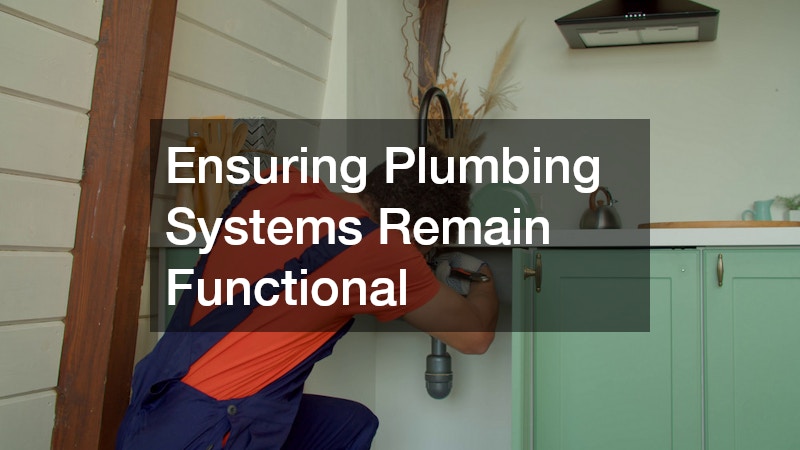
Water distribution systems are essential for everyday household activities such as cooking, bathing, and cleaning. When plumbing components fail, homeowners often require professional plumbing repair services to restore water flow and prevent property damage.
Plumbing infrastructure includes pipes, valves, fixtures, and drainage systems that must function together efficiently. Aging pipes, corrosion, or shifting foundations can cause leaks or blockages that disrupt normal water usage.
Even small plumbing issues can escalate quickly if ignored. Dripping faucets, slow drains, or unexplained increases in water bills may indicate underlying problems that require attention.
Fix-It Steps for Maintaining Household Plumbing
-
Monitor water pressure for sudden changes
-
Inspect visible pipes for corrosion or leaks
-
Address clogged drains promptly
-
Install water leak detectors in vulnerable areas
-
Schedule plumbing inspections periodically
Maintaining Pool Systems for Safe Operation
Swimming pools require specialized mechanical systems to maintain water quality and circulation. Pumps, filters, and heaters work together to keep pool water clean and safe for recreational use. When these systems malfunction, professional pool equipment repair services may be necessary.
Pool systems often operate continuously during warmer seasons, placing stress on mechanical components. Motors, pumps, and filtration units may eventually require repair or replacement.
Fix-It Steps for Monitoring Pool Equipment
-
Inspect pumps and filters regularly
-
Clean debris from skimmer baskets
-
Monitor water clarity and circulation
-
Schedule equipment servicing before peak swimming season
-
Replace worn components promptly
Supporting Heating Systems During Cold Weather
Heating systems are critical during colder months, especially in regions that experience freezing temperatures. When furnaces malfunction, homeowners often require professional furnace repairs to maintain indoor warmth and prevent system failure.
Furnaces rely on burners, heat exchangers, and ventilation systems to distribute warm air throughout the home. Mechanical wear, airflow restrictions, or ignition problems can affect system performance.
Fix-It Steps for Furnace Maintenance
-
Replace furnace filters regularly
-
Inspect vents for airflow blockages
-
Monitor unusual odors or noises
-
Schedule annual heating system inspections
-
Address performance issues early
Preparing Backup Power Systems for Emergencies
Power outages can disrupt household routines and create safety concerns. Backup generators help maintain electricity during emergencies, but they require proper maintenance to function reliably. When issues arise, homeowners may need professional generator repair services.
Generators must be tested periodically to ensure they start properly when needed. Mechanical wear, fuel issues, or electrical faults can prevent generators from operating effectively.
Fix-It Steps for Maintaining Backup Generators
-
Test generators periodically
-
Check fuel levels and connections
-
Inspect electrical wiring for damage
-
Schedule maintenance before storm seasons
-
Replace worn components as needed
Maintaining Safe and Reliable Electrical Systems
Electrical systems power nearly every modern household appliance and device. When wiring or circuits malfunction, homeowners may require professional electrical repair services to maintain safety and prevent hazards.
Electrical issues can arise from aging wiring, overloaded circuits, or damaged outlets. These problems may cause flickering lights, frequent breaker trips, or unusual odors near outlets.
Fix-It Steps for Evaluating Electrical Safety
-
Monitor outlets for overheating
-
Inspect wiring for visible damage
-
Avoid overloading power circuits
-
Schedule professional electrical inspections
-
Replace outdated electrical components
Detecting Hidden Water Leaks Early
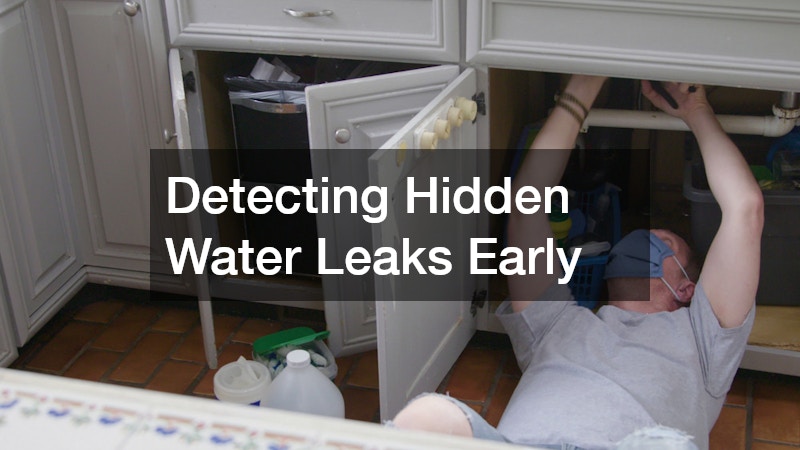
Water leaks can cause extensive property damage if left undetected. Advanced leak detection and repair techniques allow technicians to identify hidden leaks within walls, floors, or underground plumbing systems.
Modern leak detection technologies use acoustic sensors, thermal imaging, and pressure testing to locate leaks without extensive property damage.
Fix-It Steps for Preventing Water Damage
-
Monitor water bills for unusual increases
-
Inspect walls and floors for moisture stains
-
Address damp odors immediately
-
Install leak detection systems
-
Schedule professional inspections when necessary
Maintaining Reliable Hot Water Systems
Hot water systems are essential for daily activities such as bathing, cleaning, and cooking. When heaters malfunction, homeowners often require professional water heater repair services to restore hot water availability.
Water heaters can develop problems due to sediment buildup, faulty thermostats, or worn heating elements. Regular maintenance helps prevent sudden system failures.
Fix-It Steps for Water Heater Maintenance
-
Flush tanks periodically to remove sediment
-
Inspect temperature settings regularly
-
Monitor water pressure and flow
-
Schedule professional inspections annually
-
Replace aging water heaters when necessary
Creating a Long-Term Maintenance Schedule
Developing a structured maintenance schedule can make a significant difference in how effectively homeowners manage repair needs over time. Instead of reacting to problems only after they appear, a planned approach allows property owners to monitor the condition of key household systems throughout the year. Seasonal inspections are especially helpful because different systems experience stress at different times. For example, cooling systems work harder during summer months, while heating equipment and insulation become critical during winter.
A well-organized maintenance calendar should include routine inspections, equipment servicing, and periodic upgrades when systems reach the end of their lifespan. Many homeowners find it helpful to maintain a checklist for monthly, seasonal, and annual tasks. These checklists may include activities such as checking HVAC filters, testing smoke detectors, inspecting plumbing fixtures, and examining exterior areas of the home for visible wear.
Maintaining records of previous repairs and maintenance work can also help homeowners track patterns and anticipate future repair needs. Over time, these records provide valuable insight into how frequently certain systems require servicing. This information allows homeowners to budget more accurately for repairs and avoid unexpected expenses. By taking a proactive approach to home maintenance planning, homeowners can improve the reliability of essential systems while preserving the long-term value and safety of their property.
Conclusion
Planning home repair services is an essential part of responsible homeownership. Every home relies on a network of structural, mechanical, and electrical systems that require regular maintenance to function properly. By identifying potential problems early and scheduling professional repairs when necessary, homeowners can prevent costly emergencies and extend the lifespan of essential household systems.
Understanding how different systems operate also helps homeowners prioritize repairs effectively. Roofing protects the structure from weather exposure, HVAC systems maintain indoor comfort, plumbing ensures reliable water access, and electrical systems power everyday appliances. Each of these systems plays a critical role in maintaining a safe and functional living environment.
Proactive maintenance and timely repairs allow homeowners to manage repair costs more effectively while preserving long-term property value. When small issues are addressed early, they are far less likely to develop into major structural problems that require extensive renovations.
By creating a structured repair plan and working with experienced professionals when necessary, homeowners can maintain their properties efficiently while ensuring that essential systems continue operating reliably for years to come.
References