Home renovation has entered a new era defined by advanced materials, energy efficiency, smarter layouts, and technology-integrated design. As homeowners prepare for 2025, they are focusing on projects that deliver both immediate comfort and long-term value. This guide explores the most impactful renovation ideas and provides clear, actionable advice to help readers make the most informed decisions before beginning any major upgrade.
1. Updating Interior Surfaces for a Contemporary Look
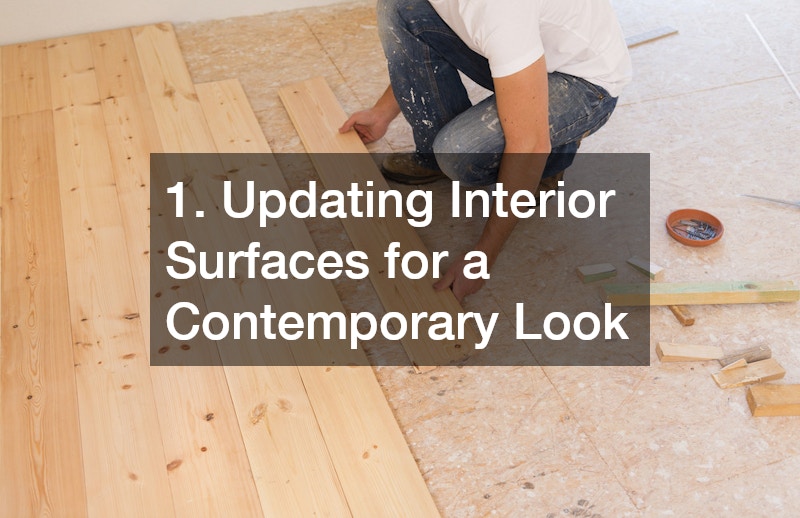
Refreshing interior surfaces remains one of the most effective and visually transformative updates a homeowner can make. Modern design trends for 2025 focus heavily on warmth, texture, and longevity—qualities that make flooring upgrades a top priority. Professionals offering hardwood flooring installation are seeing heightened demand for wide planks, natural finishes, and engineered options that perform well in various climates.
When considering flooring updates, homeowners should think beyond simple style preference. Effective updates require careful preparation, material selection, and thoughtful project sequencing.
Key considerations to ensure a successful flooring upgrade:
- Material Selection: Consider durability, moisture sensitivity, long-term maintenance needs, and traffic levels.
- Finish Choice: Matte finishes hide imperfections, while satin offers smooth reflectivity without glare.
- Subfloor Preparation: This determines long-term stability and noise reduction.
- Professional Installation: Many homeowners rely on home remodeling services to coordinate timelines and ensure proper acclimation and installation procedures.
Actionable Tips:
- Remove all furniture and decor before flooring crews arrive.
- Ask installers to perform moisture tests to prevent future warping.
- Consider upgrading baseboards or transitions at the same time for a cohesive look.
2. Improving Structural and Exterior Protection
Exterior renovations not only enhance curb appeal but also play a critical role in protecting the home from weather extremes. Modern materials and installation techniques provide better insulation, moisture control, and long-term durability than ever before.
Working with professionals who specialize in siding services can help homeowners choose materials that balance style and resilience. Fiber cement, insulated vinyl, and engineered wood are leading choices for 2025 due to their performance and aesthetic range.
Equally important are drainage systems that prevent structural damage. Experienced gutter installers offer solutions that manage heavy rainfall, ice buildup, and debris more effectively through seamless designs, leaf guards, and improved mounting systems.
Factors to evaluate before committing to exterior upgrades:
- Climate compatibility: Materials vary in performance depending on humidity, wind exposure, and temperature fluctuations.
- Maintenance requirements: Some siding types require repainting or sealing.
- Energy efficiency: Modern siding often includes built-in insulation layers.
- Warranty coverage: Consider manufacturer and contractor warranties.
3. Maximizing Energy Efficiency Through System Upgrades
As energy efficiency becomes a top priority for homeowners, heating and cooling systems are receiving more investment. New equipment standards going into effect for 2025 make this the perfect time to evaluate whether existing systems are outdated or inefficient.
Working with qualified HVAC contractors ensures that homeowners receive accurate assessments of airflow, duct condition, and system capacity. Too often, systems are incorrectly sized, leading to inefficiency and premature failure.
Complementing system upgrades with support from home improvement services ensures the home is optimized through insulation, air sealing, and smart thermostats.
Key Steps to Improve Energy Efficiency:
- Conduct an energy audit to identify weaknesses.
- Replace older units with high-SEER, eco-friendly heat pumps.
- Install smart sensors for room-by-room temperature control.
- Upgrade attic insulation to reduce load on HVAC systems.
Maintenance Tips:
- Change filters every 1–3 months.
- Clean outdoor condenser coils yearly.
- Schedule professional servicing twice a year.
4. Transforming Kitchens for Function and Style

The kitchen continues to be the centerpiece of most homes, blending function, aesthetics, and technology. A successful kitchen renovation requires balancing modern features with practical considerations such as traffic flow, storage, and safety.
A reputable home remodeling company can help homeowners coordinate trades, source materials, schedule inspections, and manage the complexities of electrical and plumbing updates. This project often involves multiple specialists, making professional coordination essential.
Leading kitchen trends for 2025:
- Smart appliances integrated with mobile apps
- Hidden storage solutions such as toe-kick drawers
- Large islands for dining, cooking, and entertaining
- Integrated lighting, including under-cabinet and in-drawer LEDs
- Sustainable materials like recycled quartz and bamboo
Actionable Tips:
- Measure workflow patterns before planning layout changes.
- Prioritize storage upgrades to minimize clutter.
- Consider a neutral color scheme with pops of texture for longevity.
- Invest in energy-efficient appliances to reduce long-term operating costs.
5. Reimagining Bathrooms with Modern Fixtures and Features
Bathrooms are evolving into wellness spaces with features that prioritize relaxation, convenience, and hygiene. Clear-glass shower door installations allow more natural light flow and visually expand smaller areas.
A skilled kitchen and bath contractor can assist homeowners in selecting water-efficient fixtures, walk-in shower designs, slip-resistant flooring, and ventilation improvements. Waterproofing techniques have improved dramatically, making bathrooms more durable and resistant to long-term moisture damage.
Emerging bathroom trends for 2025:
- Zero-threshold entry showers
- Smart mirrors with defogging and LED displays
- Touchless faucets
- High-tech ventilation and humidity sensors
- Large-format tiles for fewer grout lines
Homeowner Tips:
- Opt for tempered or laminated safety glass for shower doors.
- Install integrated shelving to reduce clutter.
- Prioritize ventilation upgrades to protect long-term indoor air quality.
6. Enhancing Home Functionality with Smart and Adaptive Design
Homes in 2025 prioritize flexibility—spaces that can transition between work, leisure, fitness, and social activities with minimal effort. Professionals offering home improvement services are seeing high demand for multi-functional layouts and smart home installations.
A home remodeling company can help reimagine under-utilized areas such as basements, attics, and spare rooms into adaptable, value-adding spaces.
Top adaptive design strategies:
- Convertible furniture such as murphy beds or fold-out desks
- Zoning strategies that allow rooms to serve multiple purposes
- Built-in storage to reduce clutter and maximize floor area
- Mobile partitions for temporary space division
Smart home upgrades to consider:
- Integrated lighting systems with voice control
- Automated blinds and temperature settings
- Smart security enhancements
- Energy monitoring tools
7. Strengthening Long-Term Durability Through Material Choices

Choosing durable materials is one of the most cost-effective strategies in home renovation. Homeowners are increasingly thinking in terms of longevity and return on investment rather than temporary aesthetic fixes. Instead of choosing the cheapest products upfront, many are now prioritizing items that offer long-term stability, reduced maintenance, and better overall performance. This shift often results in fewer repairs, less frequent replacements, and improved home value over time. Durable materials also tend to perform better against environmental stressors such as humidity fluctuations, harsh seasonal temperatures, and daily household wear and tear.
Professionals offering siding services recommend materials like fiber cement or insulated vinyl for exterior durability, while specialists providing hardwood flooring installation often guide clients toward engineered products that resist movement and perform better in humid climates. These experts understand how climate zones, sun exposure, and architectural conditions influence how materials behave over decades. Their recommendations often stem from years of observing which products fail early and which ones remain structurally sound for the long haul. Relying on this expertise helps homeowners avoid costly mistakes and choose options that align with their lifestyle, budget, and maintenance preferences.
Durability considerations:
- Resistance to moisture, pests, and UV exposure
- Manufacturer warranties
- Past performance in similar climates
- Maintenance requirements over time
- Compatibility with existing structural components
Recommendations for long-term value:
- Select low-maintenance siding options that retain color.
- Choose flooring with protective coatings or scratch-resistant layers.
- Inspect materials in person before committing to a final choice.
- Ask contractors about expected lifespan and care guidelines.
- Invest in products with strong third-party durability ratings.
8. Optimizing Indoor Air Quality and Comfort
Indoor air quality plays a major role in long-term health and home comfort. Upgrades led by HVAC contractors can greatly improve ventilation, filtration, and humidity control. This includes whole-home air purifiers, upgraded ductwork, and variable-speed systems that maintain consistent temperatures. Modern systems can also monitor indoor air conditions in real time, adjusting airflow and filtration levels automatically to reduce pollutants such as dust, pollen, and volatile organic compounds. These improvements not only help keep occupants healthier but also enhance the overall efficiency of the entire home’s climate control.
A kitchen and bath contractor can contribute by improving moisture management in bathrooms and kitchens—areas most prone to mold or poor ventilation. High-moisture rooms often harbor hidden humidity problems that, if left unaddressed, can lead to structural damage, unpleasant odors, and reduced air quality throughout the home. Properly installed ventilation fans, sealed plumbing fixtures, and thoughtfully designed layouts help reduce lingering moisture and promote better airflow. Even small improvements in these spaces can make a noticeable difference in air freshness and overall comfort.
Ways to improve indoor air quality:
- Upgrade ventilation fans in high-moisture areas.
- Seal ducts to eliminate leakage.
- Add humidity control systems such as dehumidifiers or ERVs.
- Clean or replace filters on a consistent schedule.
- Keep interior doors open occasionally to promote circulation.
Signs your home needs air quality improvements:
- Persistent odors or mustiness
- Visible dust buildup
- Excessive humidity or condensation
- Uneven temperatures throughout rooms
- Frequent allergy symptoms or respiratory discomfort
- Window fogging or mold growth in corners
9. Improving Water Management and Exterior Longevity
Water management is essential for preventing structural damage, mold, and landscape erosion. Modern homeowners often underestimate the role that drainage systems play in protecting property value.
Experienced gutter installers can design systems that handle higher volumes of water due to increasingly unpredictable weather patterns. Features like seamless gutters, downspout extensions, and gutter guards minimize blockages and reduce maintenance.
Homeowners can also hire home improvement services to inspect the roofline, fascia, soffits, and grading to ensure proper water flow away from the house.
Maintenance Tips:
- Clean gutters at least twice a year.
- Inspect for sagging or damaged sections.
- Verify that downspouts drain at least 5–10 feet from the foundation.
- Consider adding splash blocks or extensions to direct water away.
10. Preparing for Large-Scale Renovations with Strategic Planning

Large renovation projects require strategic planning to avoid unnecessary delays, budget overruns, and unexpected complications. Whether the focus is on structural improvements or a major kitchen renovation, detailed preparation is essential. Many homeowners underestimate how interconnected renovation stages can be—plumbing changes can affect flooring timelines, electrical upgrades may require inspections that delay wall installation, and unforeseen structural issues can redirect budget allocations. Planning thoroughly from the outset helps anticipate these variables and keeps the project moving smoothly.
Homeowners frequently rely on home remodeling services to develop a clear project timeline, coordinate subcontractors, and obtain necessary permits. These professionals understand the sequencing of tasks and can identify when certain trades need to be scheduled in advance. They also help homeowners navigate local building codes, which is especially important for electrical, plumbing, and structural modifications. By having a knowledgeable team manage communication and workflow, homeowners reduce the likelihood of misunderstandings and costly rework.
Pre-renovation planning checklist:
- Define goals: Clarify what must be changed versus what would simply be nice to add. Prioritizing needs over wants ensures the most essential upgrades remain within budget even if unexpected expenses arise.
- Set a budget: Include a 10–20% contingency fund. Renovations often uncover hidden issues such as outdated wiring or water damage, and having a cushion prevents stress when adjustments are needed.
- Select materials early: Prevent back-orders or price increases. High-demand products such as tile, cabinetry, or countertops may require weeks of lead time, and early selection avoids timeline disruptions.
- Plan temporary living adjustments: Especially during kitchen or bathroom renovations. This may include creating a temporary kitchenette, arranging off-site showers, or scheduling work phases around family routines.
- Review contractor portfolios: Look for proven experience with similar projects. Checking references, reviewing past work, and confirming licensing ensures you’re partnering with skilled professionals capable of delivering high-quality results.
Tips for cohesive design:
- Choose a consistent color palette throughout the home.
- Match metal finishes where possible (fixtures, door handles, lighting).
- Combine modern interior updates with complementary exterior materials.
- Prioritize quality lighting to showcase renovations effectively.
Renovating a home for 2025 is about embracing thoughtful improvements that combine aesthetics, durability, and advanced functionality. By focusing on key upgrades—from interiors to essential mechanical systems—homeowners can create living spaces that meet modern needs while preparing for the future. With proper planning, smart material choices, and expert support, every project can enhance both daily comfort and long-term property value.