
When preparing to sell a home, many owners wonder which improvements are actually worth the time and investment. Not every upgrade delivers the same return, and some projects can even slow down a sale if they don’t align with buyer expectations. The key is to focus on improvements that make the property feel well cared for, functional, and move-in ready, while also reducing concerns about future maintenance.
The most effective upgrades tend to fall into a few categories: spaces buyers scrutinize closely, visible elements that influence first impressions, and behind-the-scenes improvements that signal long-term reliability. By approaching the process strategically, sellers can often increase perceived value, attract more interest, and position their home competitively without overspending.
Below are ten proven improvements that can meaningfully increase property value before selling, along with practical tips on how to approach each one.
1. Modernize Bathrooms to Meet Buyer Expectations
Few areas of a home influence buyer decisions as strongly as bathrooms. Even when the rest of the property is in good condition, dated or poorly maintained bathrooms can raise doubts about overall upkeep. Investing in bathroom remodeling before listing can help eliminate those concerns and make the home feel more current.
Effective bathroom updates focus on functionality, cleanliness, and timeless design rather than luxury features. Buyers want spaces that feel fresh, efficient, and easy to maintain.
Actionable tips for maximizing value include:
-
Replacing old vanities with clean-lined designs that offer practical storage
-
Updating fixtures such as faucets, showerheads, and lighting to modern finishes
-
Repairing or replacing cracked tiles and worn grout
-
Improving ventilation to prevent moisture issues, buyers often worry about
A complete remodel isn’t always necessary. In many cases, targeted updates such as new fixtures, refreshed surfaces, and improved lighting can significantly enhance buyer perception. The goal is to make the bathroom feel ready for immediate use, without signaling that significant work will be required after closing.
2. Upgrade Kitchen Surfaces That Buyers Touch and Notice

The kitchen is often considered the heart of the home, and buyers tend to examine it closely. While cabinets and appliances matter, surfaces play a major role in how the space is perceived. Installing a quartz countertop can instantly elevate the look of a kitchen and signal durability and quality.
This type of surface appeals to buyers because it offers a balance of style and practicality. It resists staining, requires minimal maintenance, and comes in a wide range of neutral tones that fit many design preferences.
To get the most value from a surface upgrade:
-
Choose colors that complement existing cabinets rather than competing with them
-
Avoid overly bold patterns that may limit buyer appeal
-
Ensure edges and seams are professionally finished
-
Coordinate the countertop with the backsplash and lighting for a cohesive look
Replacing countertops can make an older kitchen feel updated without the cost of a complete renovation. Buyers often view this as a sign that the home has been thoughtfully maintained and modernized.
3. Refresh the Interior to Make Spaces Feel Larger and Brighter
One of the most cost-effective improvements a seller can make is updating wall finishes. A fresh coat of interior paint helps rooms feel clean, bright, and neutral, which allows buyers to envision themselves living in the space. It also signals that the home has been cared for, reducing concerns about deferred maintenance. Even homes with strong layouts and desirable features can feel tired or neglected if walls show signs of wear, making paint one of the simplest ways to reset buyer perception.
Color choice plays a critical role. While personal preferences vary, neutral palettes tend to perform best when selling because they appeal to the widest range of buyers. Light, balanced colors reflect natural light more effectively, helping rooms feel open rather than confined. Neutral shades also create visual continuity from room to room, which makes the home feel larger and more cohesive as buyers move through the space.
Beyond color selection, preparation, and execution, these factors have a major impact on results. Uneven finishes, visible patches, or poorly cut edges can detract from the overall effect and suggest rushed work. Taking time to prep surfaces properly ensures the finished product looks polished and professional, which buyers notice even if they can’t articulate why the space feels “right.”
Best practices for pre-sale painting include:
-
Sticking to light, neutral tones that reflect natural light and reduce harsh shadows
-
Using consistent colors throughout the main living areas to improve flow and visual continuity
-
Paying special attention to high-traffic areas with visible wear, such as hallways, stairwells, and entryways
-
Repairing nail holes, cracks, and minor wall damage before painting to create a smooth, finished appearance
Painting is relatively inexpensive compared to other upgrades, yet it can dramatically improve first impressions during showings. Clean, freshly painted walls help buyers focus on the home’s layout, natural light, and architectural features rather than cosmetic flaws. When walls feel fresh and well-maintained, buyers are more likely to see the house as move-in ready, which can lead to stronger interest and more confident offers.
4. Improve Outdoor Appearance With Proper Tree Care

Curb appeal sets the tone for a buyer’s entire experience. Before anyone steps inside, the exterior conveys how well the home has been maintained. Overgrown or poorly maintained trees can detract from that message and even raise safety concerns.
Hiring a professional tree trimming service can help restore balance and visibility to the yard while improving overall aesthetics. Proper trimming enhances natural light, highlights architectural features, and reduces the risk of roof or siding damage.
Practical ways tree care boosts value include:
-
Removing dead or damaged branches that pose safety risks
-
Trimming limbs away from the home to prevent future issues
-
Shaping trees to improve symmetry and visual appeal
-
Clearing sightlines to entryways and windows
Well-maintained landscaping makes a property feel welcoming and cared for. Buyers often associate tidy outdoor spaces with responsible ownership, which can positively influence their overall impression.
5. Eliminate Clutter to Showcase Usable Space
Buyers want to see how much usable space a home truly offers. Cluttered rooms, packed garages, and overflowing storage areas can make even large homes feel cramped and difficult to navigate. Utilizing junk removal services before listing helps highlight square footage and functionality by eliminating items that distract from the structure itself. When spaces are cleared, rooms appear larger, storage areas feel more practical, and buyers can more easily assess how the home meets their needs.
Removing unnecessary items also simplifies staging and photography, both of which are critical for online listings. Photos are often a buyer’s first impression, and clutter-free spaces translate better on screen. Clean, open areas allow natural light to reach more surfaces, improving overall brightness and making rooms feel more welcoming during both virtual and in-person showings.
Beyond visual appeal, decluttering helps reduce buyer hesitation. When storage areas are overflowing, buyers may assume the home lacks adequate space, even if that isn’t true. Clearing these areas shows that the property offers sufficient storage and flexible use options, which can be a deciding factor for families or buyers moving from larger homes.
Key areas to focus on include:
-
Garages filled with old equipment or unused belongings that limit parking or workspace
-
Basements storing broken or outdated items that make the space feel unfinished or damp
-
Sheds and outdoor storage areas are packed with items that obscure their size and usefulness
-
Attics with visible clutter near access points, which can raise concerns during inspections
Clearing out excess items allows buyers to better imagine how they would use the space, whether that means parking vehicles, creating a workshop, or adding organized storage. It also reduces the impression that the home lacks storage, a common concern that can quietly undermine buyer confidence. A clean, organized property feels easier to maintain, which often translates into stronger interest and smoother negotiations.
6. Address Exterior Wear to Strengthen Buyer Confidence
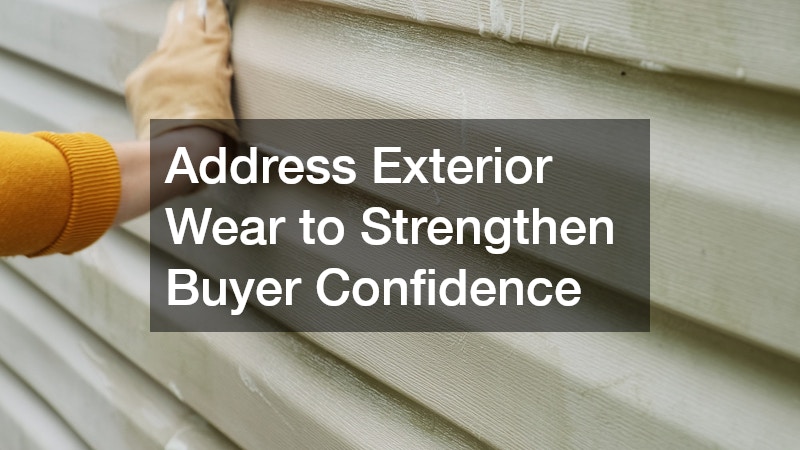
The condition of a home’s exterior plays a significant role in how buyers assess overall quality. Worn or damaged materials can suggest deferred maintenance, even if the interior is in good shape. Working with experienced siding contractors can help resolve visible issues before listing.
Exterior updates not only improve appearance but also reassure buyers that the home is protected from the elements. This can be especially important during inspections and appraisals.
Value-focused exterior improvements include:
-
Replacing or repairing damaged panels
-
Addressing moisture or warping issues
-
Cleaning or repainting surfaces for a refreshed look
-
Improving insulation and energy efficiency where possible
Buyers are more likely to make strong offers when they feel confident that the home won’t require immediate exterior repairs after purchase.
7. Repair Surface Damage That Raises Red Flags
Certain exterior finishes require specialized care, and visible damage can quickly turn buyers away. Cracks, staining, or uneven textures often prompt concerns about deeper structural issues, even when the problems are cosmetic. Consulting qualified stucco contractors before listing can help address these issues correctly and ensure repairs meet industry standards. Professional evaluation helps distinguish between normal wear and signs of moisture intrusion or substrate movement that buyers and inspectors may flag.
Even minor surface issues can appear more serious to buyers who lack technical knowledge. Hairline cracks or discoloration may be interpreted as signs of water damage or foundation problems, creating hesitation or prompting lower offers. Proactively repairing these areas helps eliminate uncertainty and prevents buyers from assuming the worst. Addressing stucco issues in advance also reduces the risk of last-minute repair requests during negotiations.
Quality and consistency matter when making repairs. Poorly matched textures or visible patchwork can draw attention to previously unnoticed areas, undermining the effort to improve appearance. Repairs should restore uniformity across the surface so the exterior looks cohesive and well-maintained rather than pieced together.
Important considerations include:
-
Identifying hairline cracks versus larger problem areas that may require more extensive repair
-
Ensuring repairs blend seamlessly with existing finishes in both texture and color
-
Addressing drainage or moisture issues that cause recurring damage rather than treating symptoms only
-
Documenting professional repairs for buyer reassurance and inspection transparency
Well-executed repairs restore visual consistency and reinforce buyer confidence in the home’s exterior condition. When potential issues are resolved in advance and properly documented, there is less room for inspection-related objections, smoother negotiations, and a stronger overall impression during showings.
8. Increase Lot Usability and Visual Appeal

Outdoor space is an increasingly important factor for buyers. Yards that feel overgrown or unused can be a missed opportunity. Hiring a land clearing service can help transform cluttered outdoor areas into functional, attractive spaces.
Clearing excess vegetation makes the lot appear larger and more manageable. It also helps buyers better understand how they might use the space, whether for entertaining, gardening, or recreation.
Ways clearing improves property value include:
-
Removing brush, debris, and invasive growth
-
Improving access to yard features or boundaries
-
Preparing areas for landscaping or outdoor amenities
-
Enhancing drainage and reducing pest habitats
A clean, open yard complements interior improvements and strengthens overall curb appeal.
9. Coordinate Larger Updates With Professional Guidance
When multiple improvements are needed, managing them efficiently becomes essential. Partnering with experienced renovation contractors can help ensure work is completed correctly, on time, and within budget.
Professional oversight reduces the risk of inconsistent finishes, code issues, or incomplete projects that can delay a sale. It also helps sellers prioritize improvements that deliver the most substantial return.
Benefits of professional coordination include:
-
Creating a clear scope of work aligned with selling goals
-
Ensuring permits and inspections are handled properly
-
Scheduling projects to minimize disruption
-
Avoiding costly mistakes that buyers or inspectors may notice
Strategic planning allows sellers to present a cohesive, well-finished property rather than a collection of disconnected upgrades.
10. Update Kitchens and Bathrooms With Resale in Mind
While these spaces often offer the highest return, it’s important not to over-customize. Working with skilled kitchen and bath remodeling contractors helps ensure updates appeal to a broad audience rather than personal taste.
Professionals can guide decisions on layouts, materials, and finishes that balance modern appeal with timeless design. This approach helps maximize value without exceeding what the local market supports.
Smart remodeling strategies include:
-
Choosing durable, neutral finishes that age well
-
Improving storage and workflow rather than adding luxury extras
-
Keeping designs consistent throughout the home
-
Avoiding highly specific styles that limit buyer interest
Well-executed updates in these key areas can significantly influence buyer confidence and perceived value.
Conclusion
Increasing property value before selling isn’t about doing everything possible—it’s about doing the right things well. Strategic improvements that enhance appearance, functionality, and buyer confidence can make a meaningful difference in both selling price and time on the market.
By focusing on visible upgrades, addressing maintenance concerns, and presenting the home as clean and move-in ready, sellers position themselves for stronger offers. Thoughtful planning and prioritization allow each improvement to build on the next, creating a cohesive impression that resonates with buyers and supports a successful sale.